
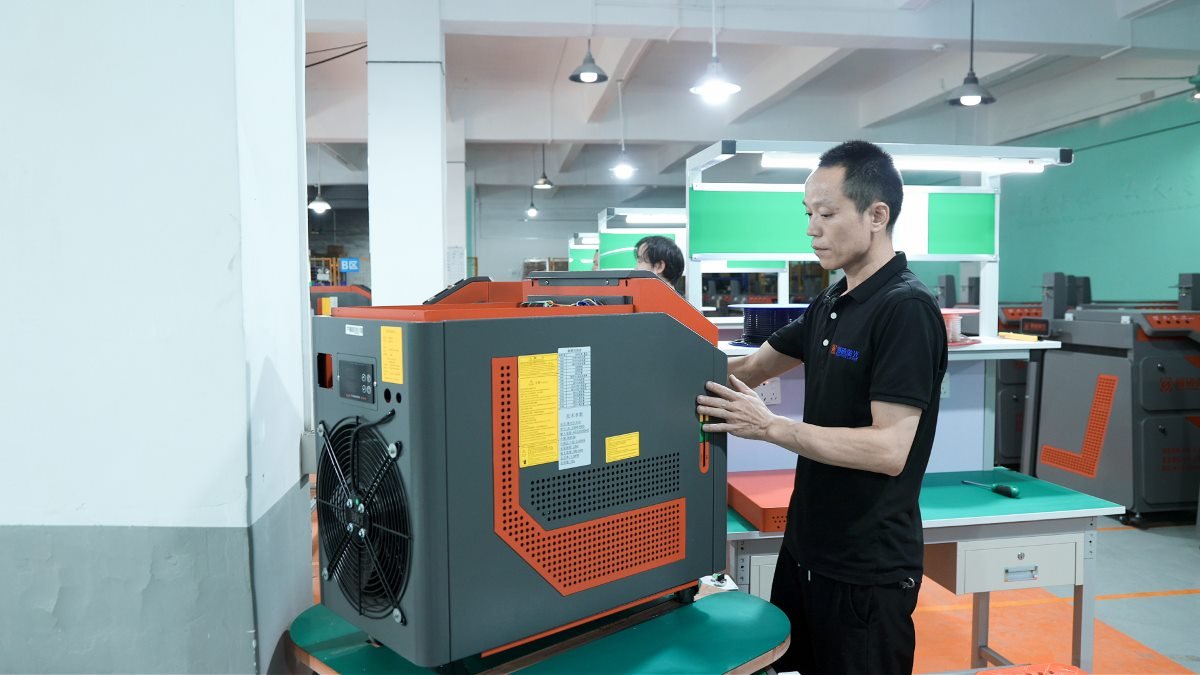
At Sunrise Laser, quality isn’t a checkpoint – it’s the bedrock of our existence. For over a decade, serving global manufacturers from our 11,000 square meter production citadel, we’ve understood that industrial laser equipment isn’t just a purchase; it’s the backbone of our customers’ production lines. Downtime is unacceptable. Inconsistency is costly. Safety is non-negotiable. That’s why we’ve engineered a comprehensive quality management system that permeates every molecule of our operation, ensuring every machine bearing the Sunrise name not only meets but exceeds the most stringent delivery standards. This is the anatomy of our relentless pursuit of perfection.
1. Foundation: Certification & Standards Compliance (The Regulatory Backbone)
- ISO 9001:2015 Integration: Our entire QMS is built upon this globally recognized framework for Quality Management Systems. It mandates systematic processes for risk-based thinking, customer focus, leadership engagement, and continual improvement – not just lip service, but audited reality.
- Mandatory CE Marking: Adherence to the EU Machinery Directive and relevant harmonized standards (e.g., EN 60825-1 for laser safety, EN 60204-1 for electrical safety) is ingrained. This ensures fundamental health, safety, and environmental protection for operators and integration into European markets.
- Product-Specific Certifications: Compliance with FDA regulations (for applicable laser classes), RoHS (Restriction of Hazardous Substances), and regional electrical safety standards (based on IEC norms) is verified and documented for every relevant product.
- Beyond Certification: We actively monitor evolving global standards (ANSI, GB, etc.) and industry best practices, proactively updating our internal specifications to stay ahead of requirements.
2. Design for Excellence (DFX) – Quality Begins on the Drawing Board
- Robust Design Validation: New products and major revisions undergo rigorous FMEA (Failure Mode and Effects Analysis), DFM/DFA (Design for Manufacturability/Assembly), and simulation (thermal, structural, optical) before prototyping. Potential failure points are designed out.
- Component Selection & Qualification: Every critical component (laser source, optics, controllers, bearings, seals) undergoes a stringent vendor qualification and component approval process. Long-term reliability and performance under industrial duress are paramount criteria.
- Design Traceability: Requirements flow down from customer needs and standards into detailed design specifications, verified throughout development and preserved for the product lifecycle.
3. The Vetted Supply Chain: Quality at the Source
- Tiered Supplier Management: A rigorous qualification process audits potential suppliers on quality systems (ISO 9001), technical capability, financial stability, delivery performance, and ethical practices. Approved vendors are tiered based on criticality.
- Performance Monitoring & Development: Continuous tracking of supplier quality (Incoming QC yield), delivery timeliness, and responsiveness. Collaborative improvement plans are initiated for underperformers; strategic partnerships are forged with top performers.
- Dual Sourcing Strategy: For mission-critical components (e.g., laser diodes, high-precision optics), qualified dual sources are established to mitigate supply chain disruption risks without compromising quality.
4. Incoming Quality Control (IQC) – Guarding the Gateway
- Systematic Receiving Inspection: Dedicated IQC stations equipped with calibrated measurement tools (CMMs, micrometers, calipers, optical comparators, electrical testers).
- AQL Sampling & 100% Critical Checks: Statistical sampling plans (based on ANSI/ASQ Z1.4) applied for bulk items. 100% inspection mandated for safety-critical components, laser sources, and high-precision optics.
- Material Certification & Traceability: Verification of material certs (MTRs), RoHS compliance documentation, and component lot traceability. Non-conforming materials are quarantined and processed through SCARs (Supplier Corrective Action Requests).
5. Precision Machining & Fabrication Control
- Advanced Equipment & Calibration: CNC machining centers, laser cutters, and press brakes are regularly maintained and calibrated using NIST-traceable standards. Tool wear is actively monitored and managed.
- First Article Inspection (FAI): Comprehensive dimensional and functional verification of the first part produced from a new setup or program, using CMMs and laser trackers.
- In-Process Verification: Operators perform scheduled checks using calibrated gauges and fixtures at defined intervals during production runs. Process Control Charts track key dimensions for stability.
6. Cleanroom Optical Assembly & Calibration
- Controlled Environment: Critical optical assembly (laser source integration, beam path alignment, scanning head assembly) occurs in ISO Class 7 (10,000) or better cleanrooms. Temperature, humidity, and particulate counts are monitored.
- ESD Protection: Strict electrostatic discharge (ESD) protocols enforced – grounded workstations, wrist straps, ionizers, and ESD-safe packaging.
- Precision Alignment & Calibration: Use of interferometers, autocollimators, beam profilers, and power meters to achieve micron-level beam alignment, collimation, and power output verification. Calibration records are maintained for each instrument.
7. Electronics Assembly & Validation
- IPC-A-610 Adherence: Electronics assembly (PCB population, soldering, wiring) strictly follows IPC-A-610 Class 2/3 standards for acceptability of electronic assemblies. Visual inspection and automated optical inspection (AOI) where applicable.
- Comprehensive Electrical Testing: In-process testing includes continuity checks, hi-pot (dielectric withstand) testing, insulation resistance testing, and functional verification of PCBs and harnesses before integration.
- ESD Safeguarding: ESD-protected zones (EPZ) with constant monitoring for static control during handling and assembly.
8. Meticulous Final Assembly & Integration
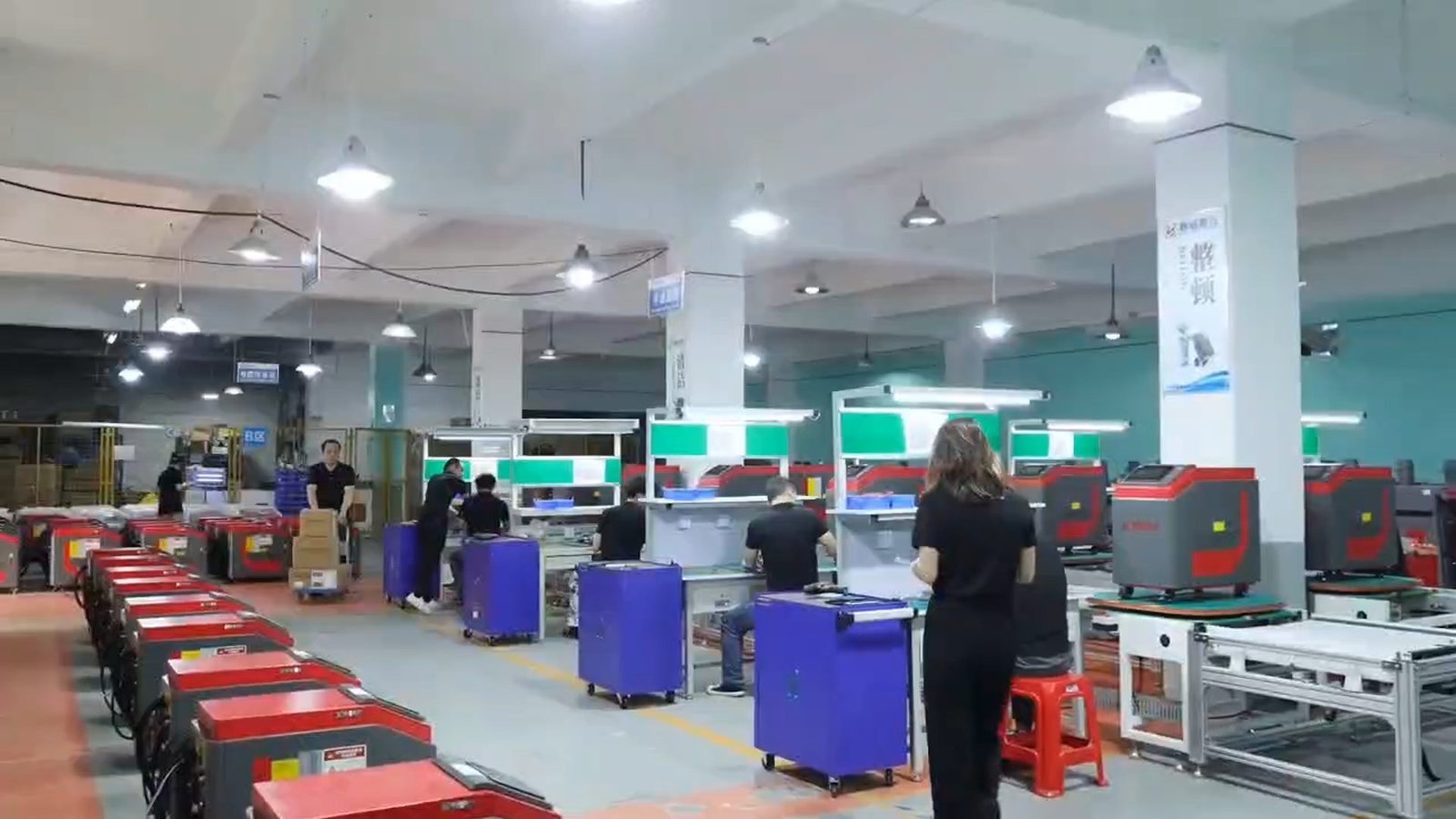
- Digital Work Instructions: Step-by-step assembly guides with torque specifications, connection diagrams, and visual aids displayed at each station via digital monitors. Prevents assembly errors.
- Tool Calibration & Control: All torque wrenches, screwdrivers, and measurement tools used in assembly are calibrated and tracked. Digital torque tools often used for critical fasteners.
- Peer Checks & IPQC Stations: Key integration steps (e.g., optical path connection, major subsystem mounting, safety system wiring) require verification by a second trained technician. In-Process Quality Control (IPQC) stations perform functional checks on sub-assemblies.
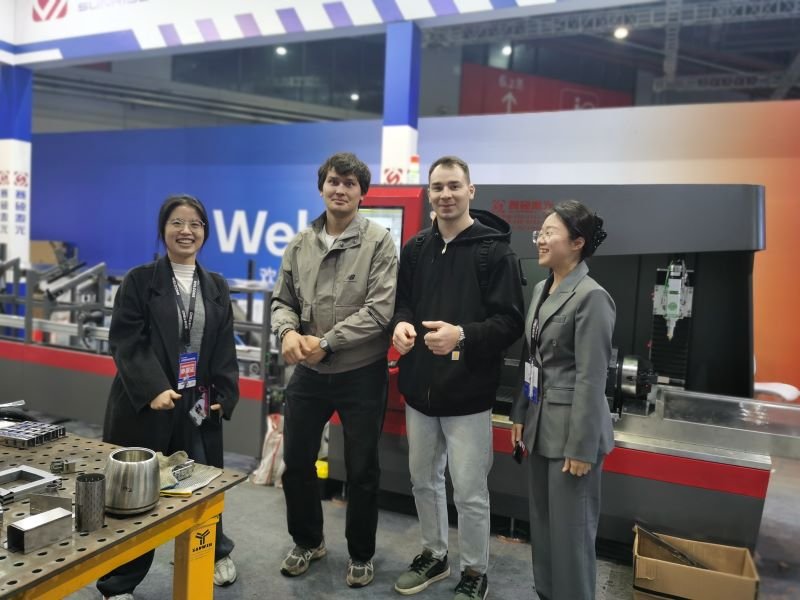
9. Exhaustive Final Acceptance Testing (FAT) – The Ultimate Crucible
- Dedicated Test Bays: Fully equipped areas designed for comprehensive performance validation.
- Rigorous Test Protocol: Every single machine undergoes a mandatory battery of tests, documented in a FAT report:
- Laser Performance: Power output verification at multiple points (using calibrated power meters), beam profile analysis (M² measurement), pulse characteristics (for pulsed lasers), stability over extended run time (4-8 hours).
- Motion System Calibration: Laser interferometer measurement of linear axis positioning accuracy, repeatability, and backlash. Circularity tests for dynamic performance. Verification of maximum speed and acceleration.
- Full Functional Testing: Simulation of all operational modes – startup, shutdown, safety interlocks (E-stops, light curtains, door switches), HMI functionality, cooling system performance, and auxiliary functions (gas, air).
- Safety Certification: Verification of Laser Safety Class (typically Class 1 enclosure compliance via power meter measurement at access points).
- Real-World Application Test: Running the machine on standard test pieces – welding coupons (evaluating penetration, bead appearance, porosity), cutting samples (assessing edge quality, perpendicularity, dross), cleaning plates (checking removal efficacy, substrate integrity). Results are measured and recorded.
- Noise & Vibration: Measurement to ensure compliance with specifications and operator comfort.
- “Zero Escape” Mindset: Machines only release with a fully signed FAT report confirming all criteria are met. No exceptions.
10. Traceability & Documentation: The Quality Record
- Comprehensive DHR (Device History Record): A unique file for every machine, containing traceability for all major components (serial numbers), assembly records, inspection reports, calibration certificates for test equipment used, and the final FAT report.
- MES (Manufacturing Execution System): Digital tracking of components and work orders through every production stage, providing real-time visibility and ensuring correct parts and processes are used.
- Controlled Document Management: Centralized system for all procedures, work instructions, specifications, and drawings, ensuring only the latest approved versions are accessible on the production floor.
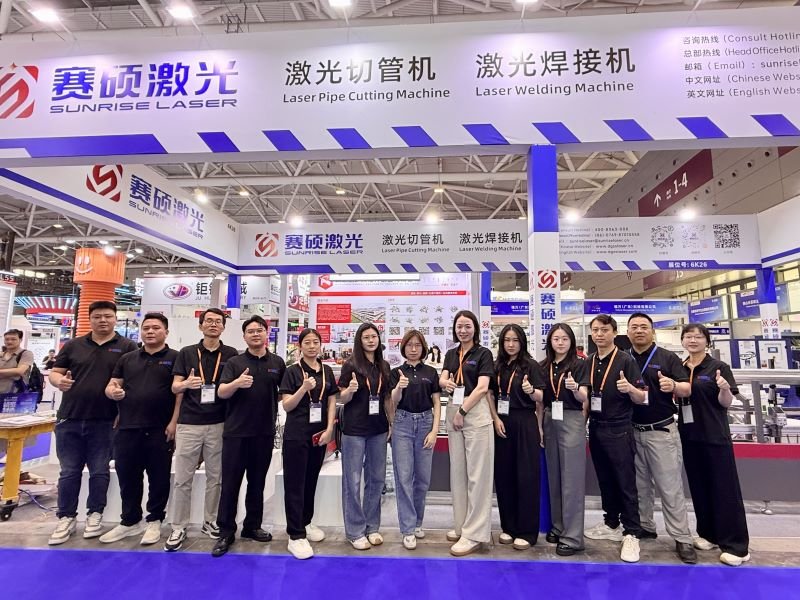
11. The Human Factor: Training & Quality Culture
- Structured Training Programs: Mandatory training for all personnel on quality procedures, work instructions, safety protocols, and specific skills (e.g., optical handling, soldering standards, measurement techniques). Regular refreshers conducted.
- Empowerment & Ownership: Operators are empowered (and expected) to halt production if a quality issue is identified. A non-punitive reporting culture encourages transparency.
- Quality Objectives & Recognition: Company-wide and departmental quality objectives are set, measured, and reviewed. Performance against these objectives is communicated, and achievements are recognized.
12. Continuous Improvement: The Never-Ending Journey
- Closed-Loop Corrective Action (CAPA): Robust system for addressing non-conformities (internal or external). Root Cause Analysis (RCA – e.g., 5 Whys, Fishbone) is mandatory. Corrective and Preventive Actions are implemented, verified for effectiveness, and standardized.
- Data-Driven Decisions: Quality data (yield rates, defect types, test results, customer feedback) is systematically collected, analyzed, and used to identify improvement opportunities.
- Regular Audits: Internal audits (process and product), external certification audits (ISO, CE), and customer audits drive compliance and uncover improvement areas. Findings are addressed systematically.
- Customer Feedback Integration: Warranty claims, service reports, and direct customer feedback are critical inputs, analyzed for trends and fed back into design, manufacturing, and process improvements.

The Sunrise Quality Promise: More Than a Machine, a Guarantee
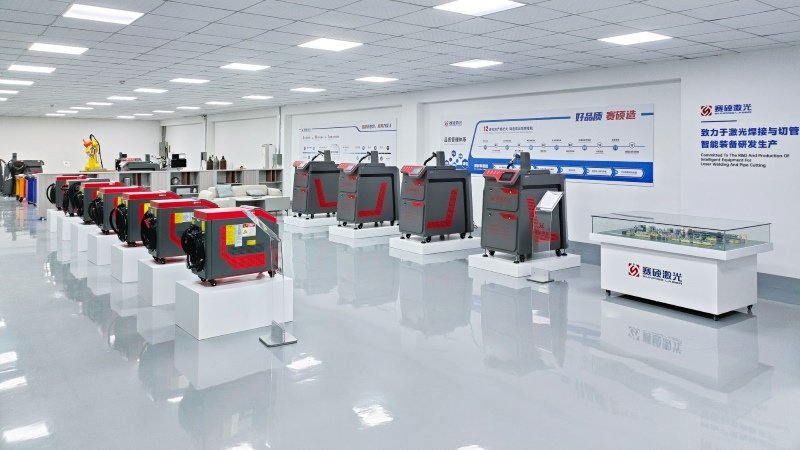
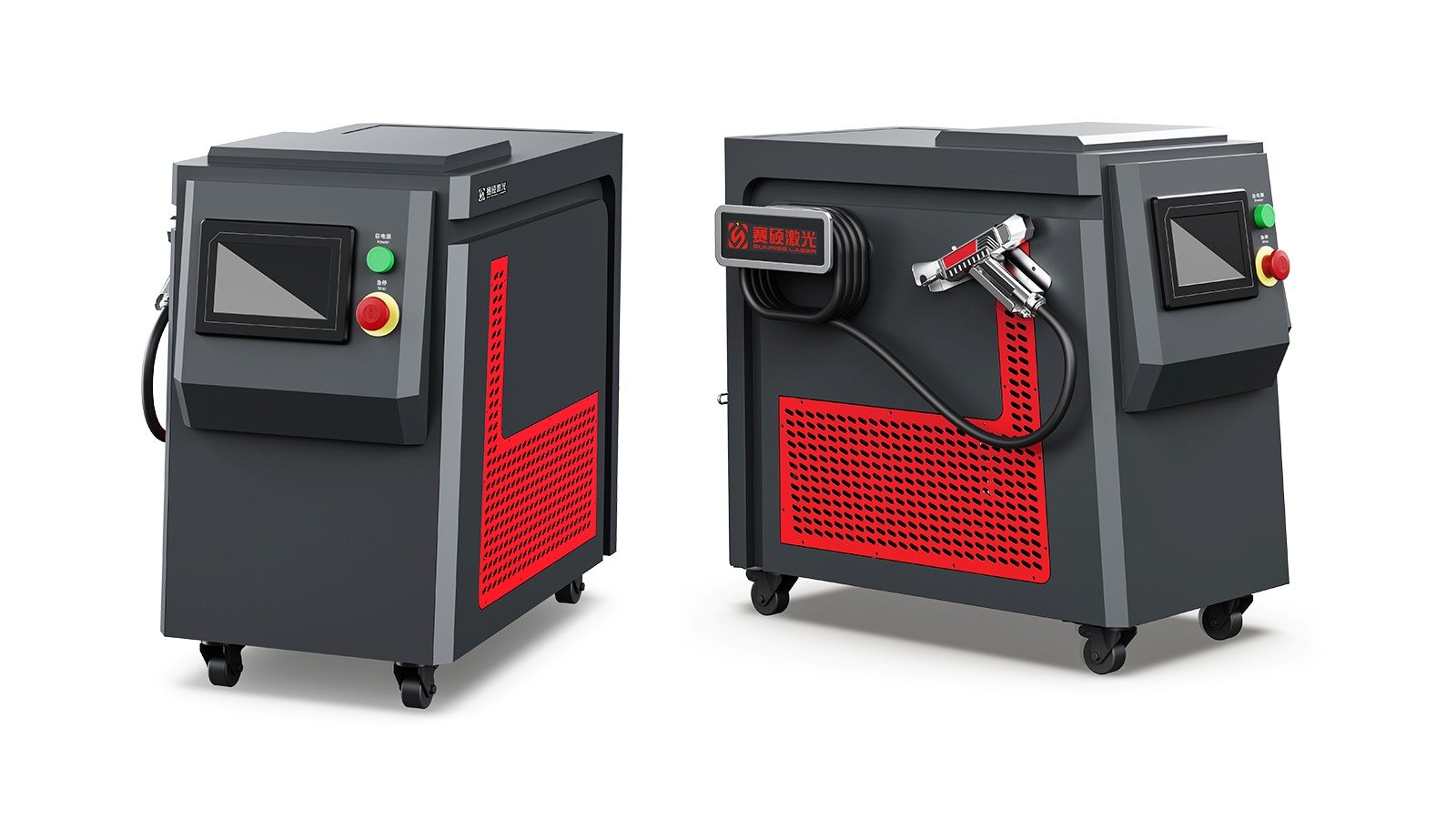
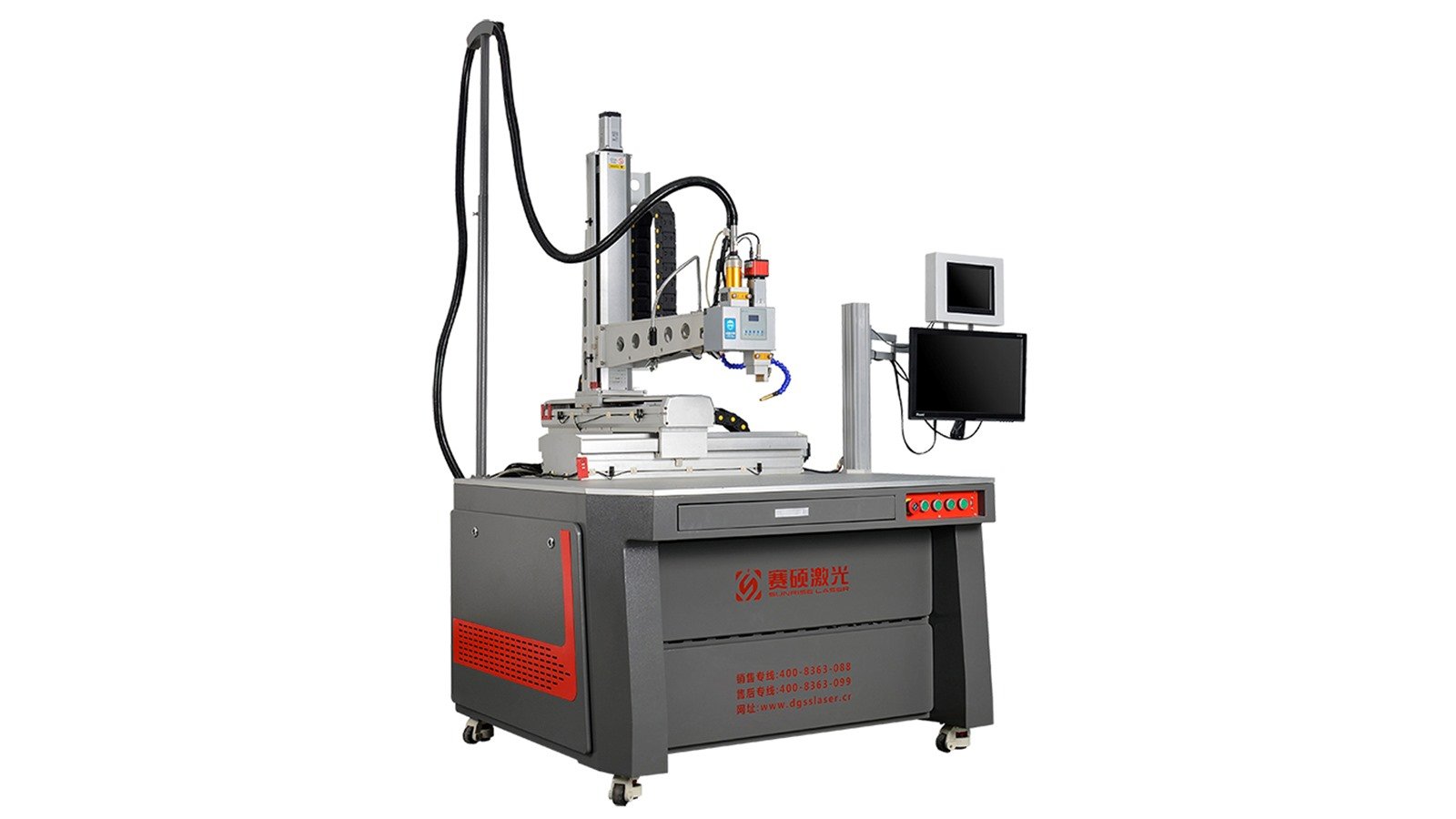
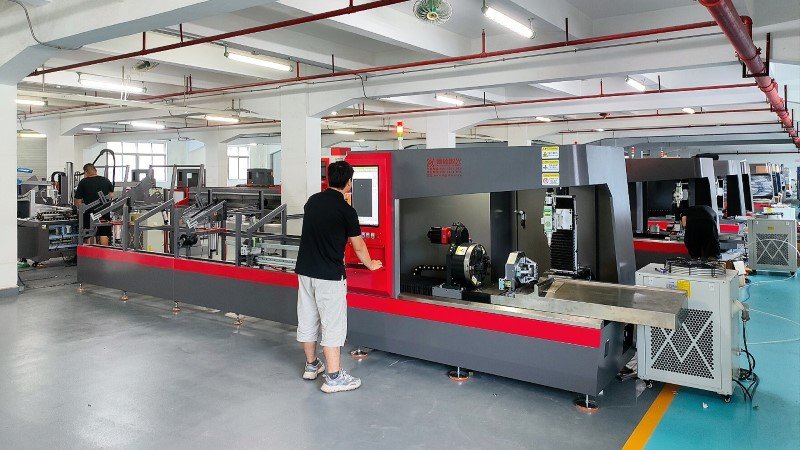
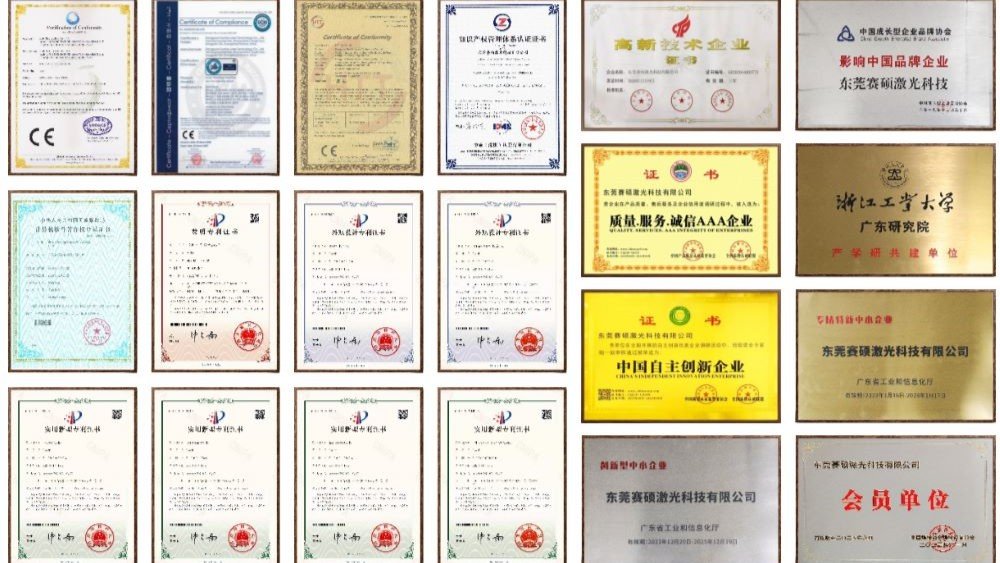
Our 8,000 sqm manufacturing hub is where this comprehensive quality management system comes alive. Governed by ISO 9001:2015 and enforced by a strict production management system, it ensures that the promise of our over 100 patents and certifications (CE, FDA, RoHS) is delivered reliably in every Handheld Laser Welder, Automated System, Tube Cutter, and Laser Cleaning System,Laser equipment.
We understand that your trust is earned through unwavering consistency. When you choose Sunrise Laser, you choose:
- Reliability: Machines built to withstand 24/7 industrial demands.
- Consistency: Repeatable performance, shift after shift, machine after machine.
- Safety: Equipment designed and validated to the highest international safety standards.
- Reduced Total Cost of Ownership: Minimized downtime, lower maintenance costs, and extended equipment lifespan.
- Peace of Mind: Backed by a systematic, audited, and continuously improving quality promise.
We have a leading laser welding machine factory of skilled engineers ready to support you in your product development journey from idea design to production.Any ideas about your product you can contact us freely,and our engineers will get back to you with a quote asap. WhatsApp: +86 198 5408 2298
Who is Sunrise laser?
Dongguan Sunrise Laser Technology Co, Ltd. was established in 2016 with a registered capital of CNY 20.210,000 and a modern productionase of 11,000+㎡. It is a professional manufacturer dedicated to the research and development, production, and sales of high-end laser welding machine,laser tube cutting machine.
What is your product range?
We pecialize in the design and production of high quality laser machines,such as laser welding machine,laser tube cutting machine, laser rust removal machine…
Do you have any international certifications?
We have passed ISO 9001, CE, RoHS, SGS and other certifications, and meet the mainstream standards of Europe, America, the Middle East and Asia.
What is the technical background of your team?
10-person R&D team (5 senior engineers) + 50-person production team, with an average of 8 years of experience and 100% certification rate.
Can I have my custom logo , design or size?
Sure. We support OEM and ODM services, allowing for the customization of appearance, power, dimensions, and your logo according to your requirements.You can view the OEM&ODM service page. https://sunriselasertech.com/oem-odm/
 English