
10 years laser welder manufacturer
Experienced In
laser welder & laser cutter
we've understood that industrial laser equipment isn't just a purchase; it's the backbone of our customers' production lines. Downtime is unacceptable. Inconsistency is costly. Safety is non-negotiable. That's why we've engineered a comprehensive quality management system that permeates every molecule of our operation, ensuring every machine bearing the Sunrise name not only meets but exceeds the most stringent delivery standards.
Quality Assurance For
laser welder &laser cutter
Sunrise’s advanced manufacturing process, rigorous quality assurance measures, and adherence to industry standards ensure high quality, precision, and durability of laser welder
- ISO 9001:2015 certified
- 10 + material inspection processes
- 20 + product inspection standard
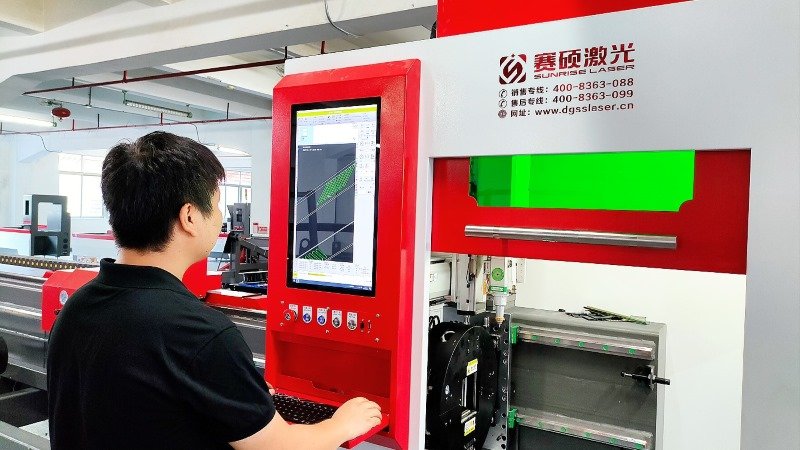
How We Guarantees laser welder Superior Quality
In order to ensure the quality of laser welder, we make a lot of efforts to meet the needs of customers
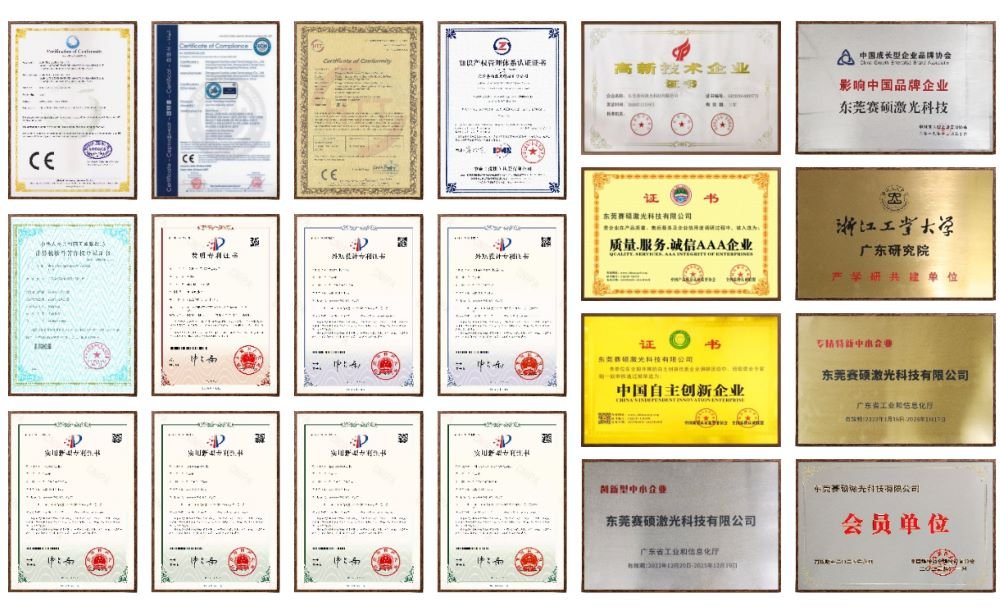
- ISO 9001:2015 Integration: Our entire QMS is built upon this globally recognized framework for Quality Management Systems. It mandates systematic processes for risk-based thinking, customer focus, leadership engagement, and continual improvement – not just lip service, but audited reality.
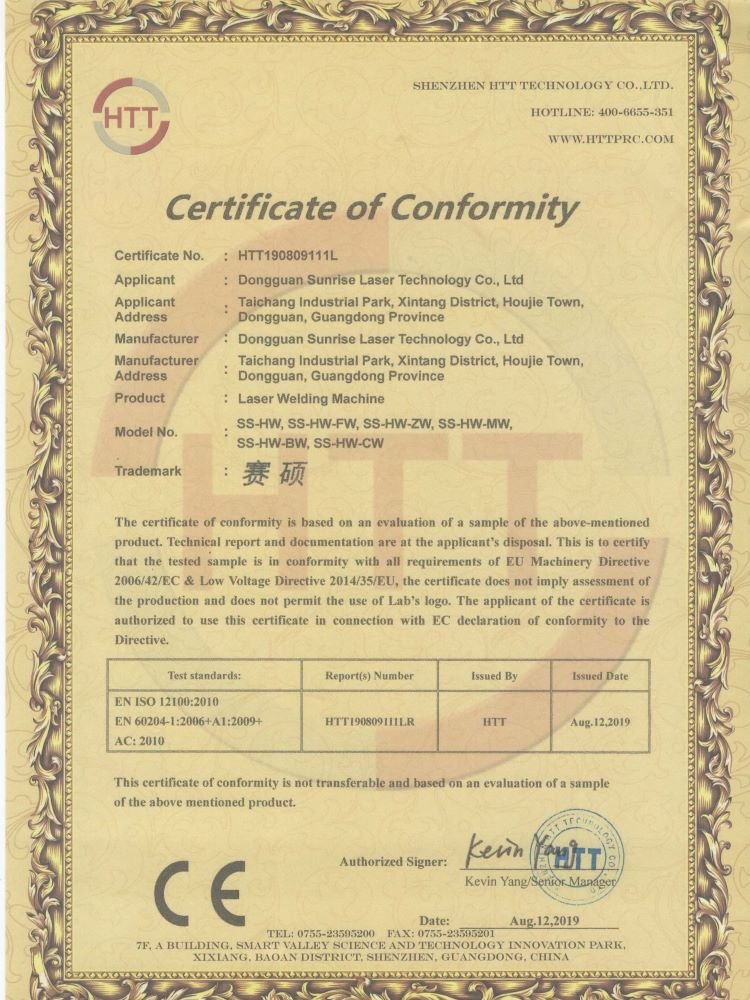
- Mandatory CE Marking: Adherence to the EU Machinery Directive and relevant harmonized standards (e.g., EN 60825-1 for laser safety, EN 60204-1 for electrical safety) is ingrained. This ensures fundamental health, safety, and environmental protection for operators and integration into European markets.
- Product-Specific Certifications: Compliance with FDA regulations (for applicable laser classes), RoHS (Restriction of Hazardous Substances), and regional electrical safety standards (based on IEC norms) is verified and documented for every relevant product.
- Beyond Certification: We actively monitor evolving global standards (ANSI, GB, etc.) and industry best practices, proactively updating our internal specifications to stay ahead of requirements.
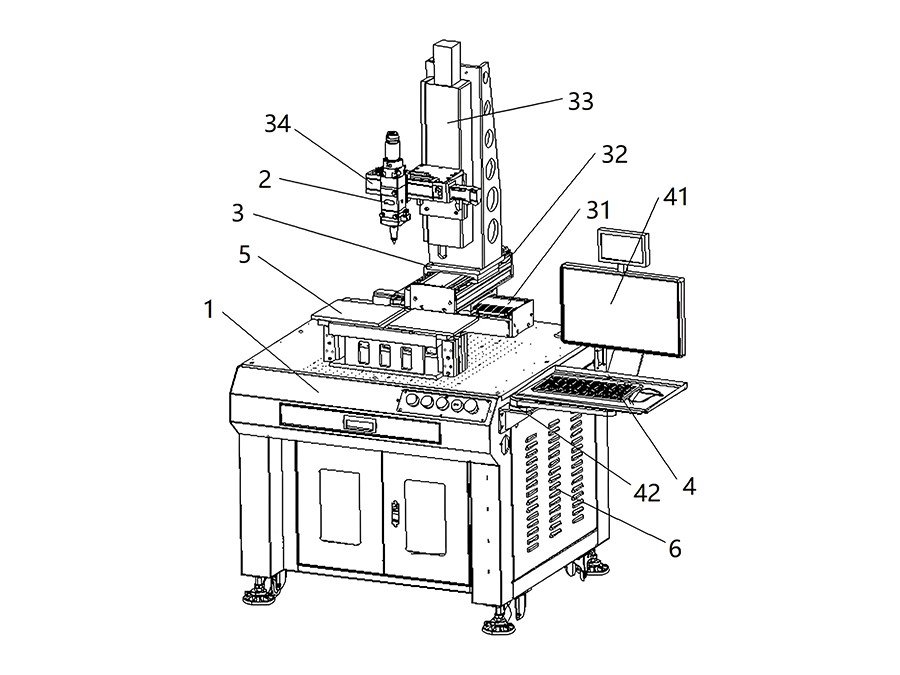
- Robust Design Validation: New products and major revisions undergo rigorous FMEA (Failure Mode and Effects Analysis), DFM/DFA (Design for Manufacturability/Assembly), and simulation (thermal, structural, optical) before prototyping. Potential failure points are designed out.
- Component Selection & Qualification: Every critical component (laser source, optics, controllers, bearings, seals) undergoes a stringent vendor qualification and component approval process. Long-term reliability and performance under industrial duress are paramount criteria.
- Design Traceability: Requirements flow down from customer needs and standards into detailed design specifications, verified throughout development and preserved for the product lifecycle.
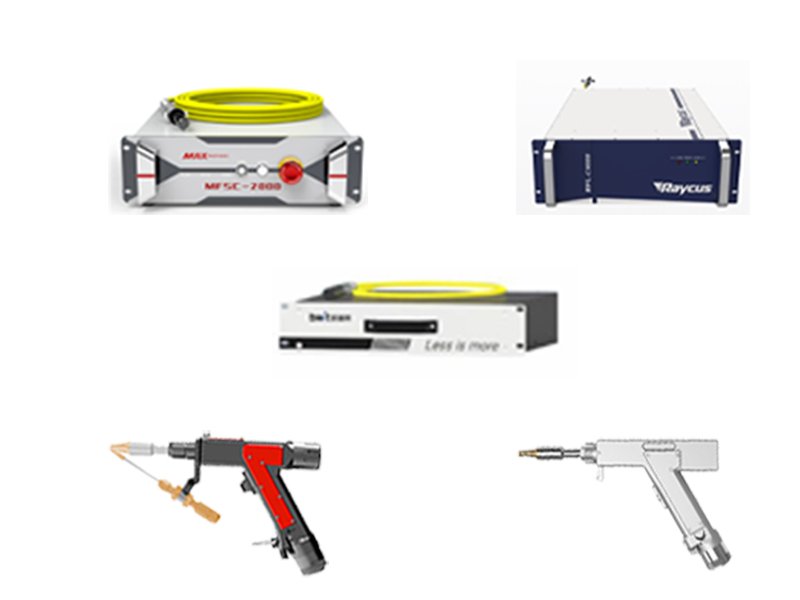
- Tiered Supplier Management: A rigorous qualification process audits potential suppliers on quality systems (ISO 9001), technical capability, financial stability, delivery performance, and ethical practices. Approved vendors are tiered based on criticality.
- Performance Monitoring & Development: Continuous tracking of supplier quality (Incoming QC yield), delivery timeliness, and responsiveness. Collaborative improvement plans are initiated for underperformers; strategic partnerships are forged with top performers.
- Dual Sourcing Strategy: For mission-critical components (e.g., laser diodes, high-precision optics), qualified dual sources are established to mitigate supply chain disruption risks without compromising quality.
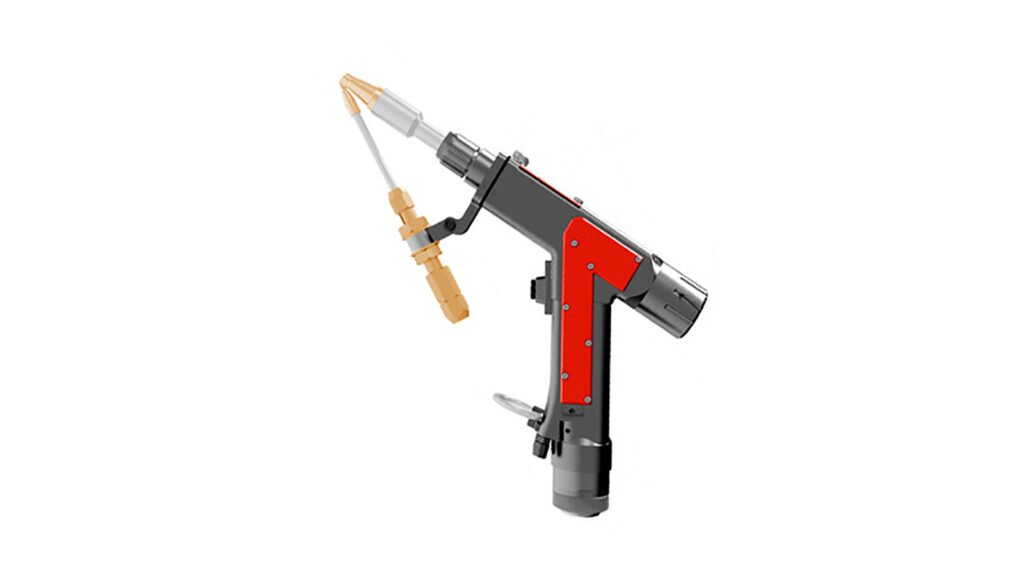
- Systematic Receiving Inspection: Dedicated IQC stations equipped with calibrated measurement tools (CMMs, micrometers, calipers, optical comparators, electrical testers).
- AQL Sampling & 100% Critical Checks: Statistical sampling plans (based on ANSI/ASQ Z1.4) applied for bulk items. 100% inspection mandated for safety-critical components, laser sources, and high-precision optics.
- Material Certification & Traceability: Verification of material certs (MTRs), RoHS compliance documentation, and component lot traceability. Non-conforming materials are quarantined and processed through SCARs (Supplier Corrective Action Requests).
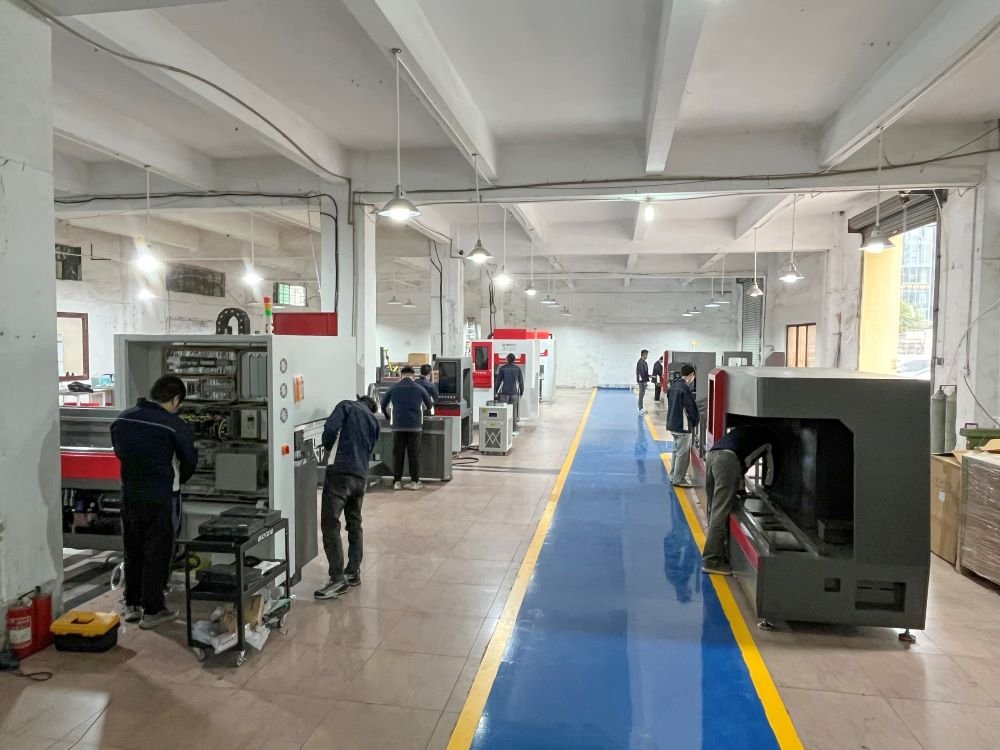
- Advanced Equipment & Calibration: CNC machining centers, laser cutters, and press brakes are regularly maintained and calibrated using NIST-traceable standards. Tool wear is actively monitored and managed.
- First Article Inspection (FAI): Comprehensive dimensional and functional verification of the first part produced from a new setup or program, using CMMs and laser trackers.
- In-Process Verification: Operators perform scheduled checks using calibrated gauges and fixtures at defined intervals during production runs. Process Control Charts track key dimensions for stability.
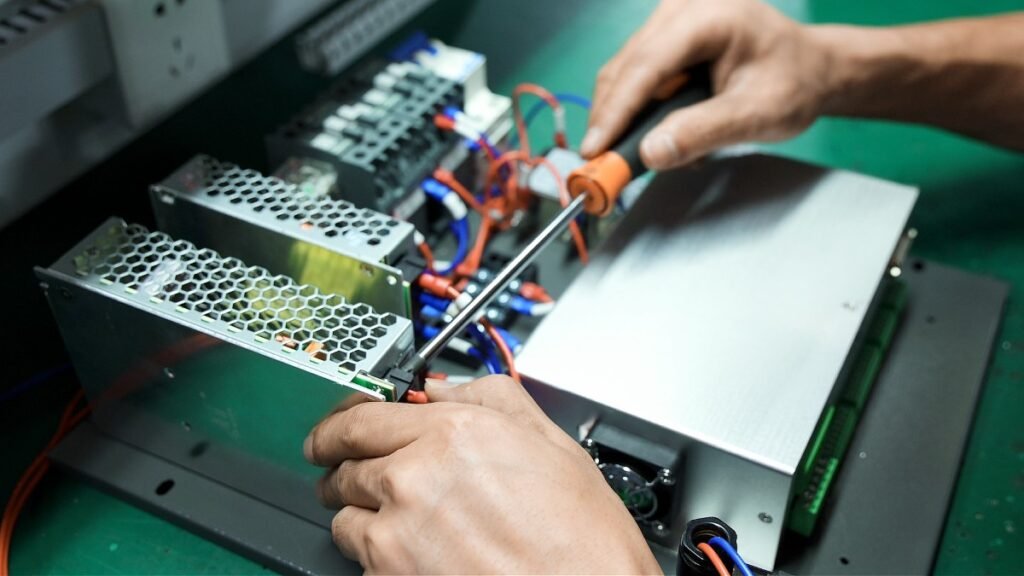
- Digital Work Instructions: Step-by-step assembly guides with torque specifications, connection diagrams, and visual aids displayed at each station via digital monitors. Prevents assembly errors.
- Tool Calibration & Control: All torque wrenches, screwdrivers, and measurement tools used in assembly are calibrated and tracked. Digital torque tools often used for critical fasteners.
- Peer Checks & IPQC Stations: Key integration steps (e.g., optical path connection, major subsystem mounting, safety system wiring) require verification by a second trained technician. In-Process Quality Control (IPQC) stations perform functional checks on sub-assemblies.
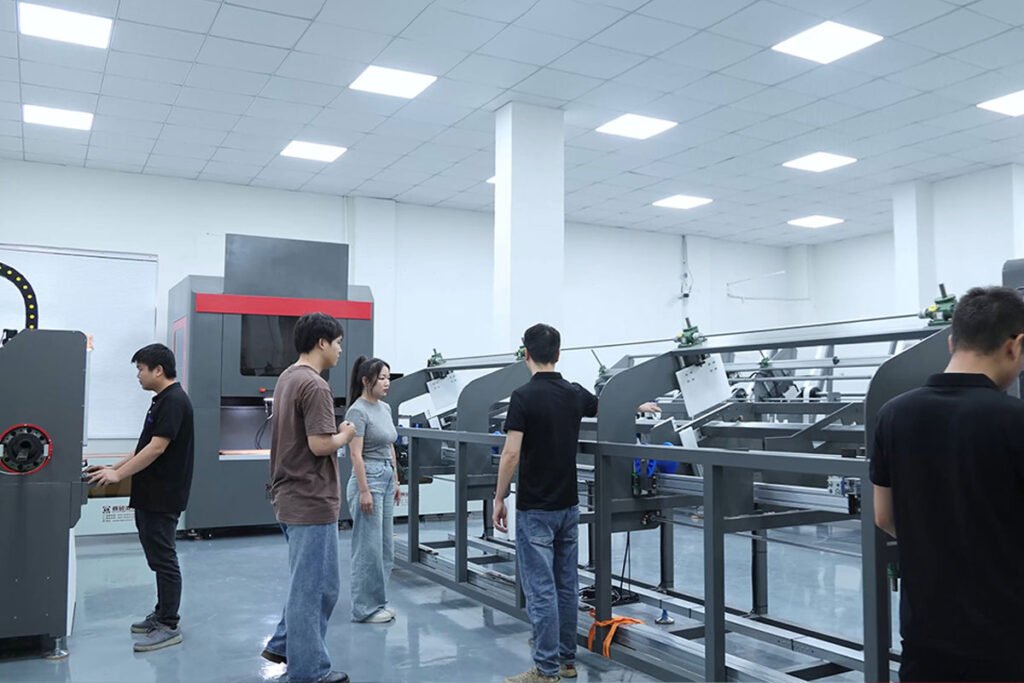
- Dedicated Test Bays: Fully equipped areas designed for comprehensive performance validation.
- Rigorous Test Protocol: Every single machine undergoes a mandatory battery of tests, documented in a FAT report:
- Laser Performance: Power output verification at multiple points (using calibrated power meters), beam profile analysis (M² measurement), pulse characteristics (for pulsed lasers), stability over extended run time (4-8 hours).
- Motion System Calibration: Laser interferometer measurement of linear axis positioning accuracy, repeatability, and backlash. Circularity tests for dynamic performance. Verification of maximum speed and acceleration.
- Full Functional Testing: Simulation of all operational modes – startup, shutdown, safety interlocks (E-stops, light curtains, door switches), HMI functionality, cooling system performance, and auxiliary functions (gas, air).
- Safety Certification: Verification of Laser Safety Class (typically Class 1 enclosure compliance via power meter measurement at access points).
- Real-World Application Test: Running the machine on standard test pieces – welding coupons (evaluating penetration, bead appearance, porosity), cutting samples (assessing edge quality, perpendicularity, dross), cleaning plates (checking removal efficacy, substrate integrity). Results are measured and recorded.
- Noise & Vibration: Measurement to ensure compliance with specifications and operator comfort.
- “Zero Escape” Mindset: Machines only release with a fully signed FAT report confirming all criteria are met. No exceptions.
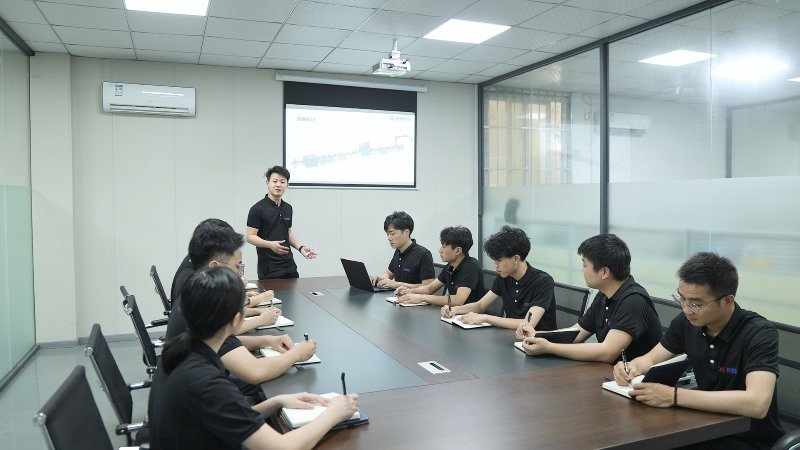
- Structured Training Programs: Mandatory training for all personnel on quality procedures, work instructions, safety protocols, and specific skills (e.g., optical handling, soldering standards, measurement techniques). Regular refreshers conducted.
- Empowerment & Ownership: Operators are empowered (and expected) to halt production if a quality issue is identified. A non-punitive reporting culture encourages transparency.
- Quality Objectives & Recognition: Company-wide and departmental quality objectives are set, measured, and reviewed. Performance against these objectives is communicated, and achievements are recognized.
Look at laser welder machine manufacturer

Quality Reports
For laser welder
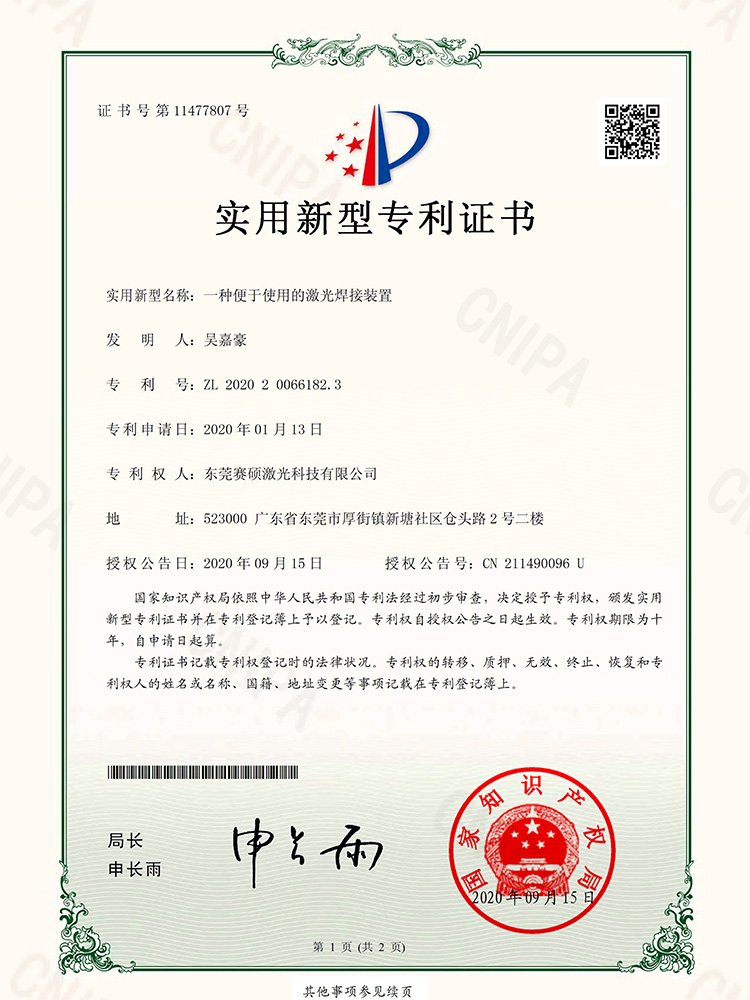
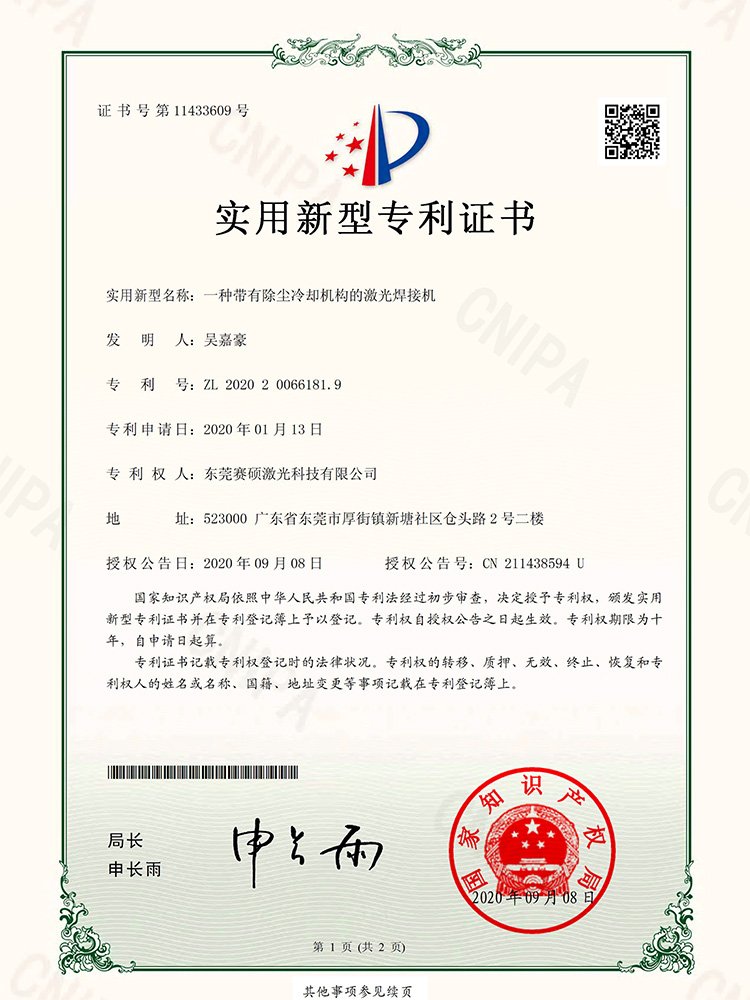
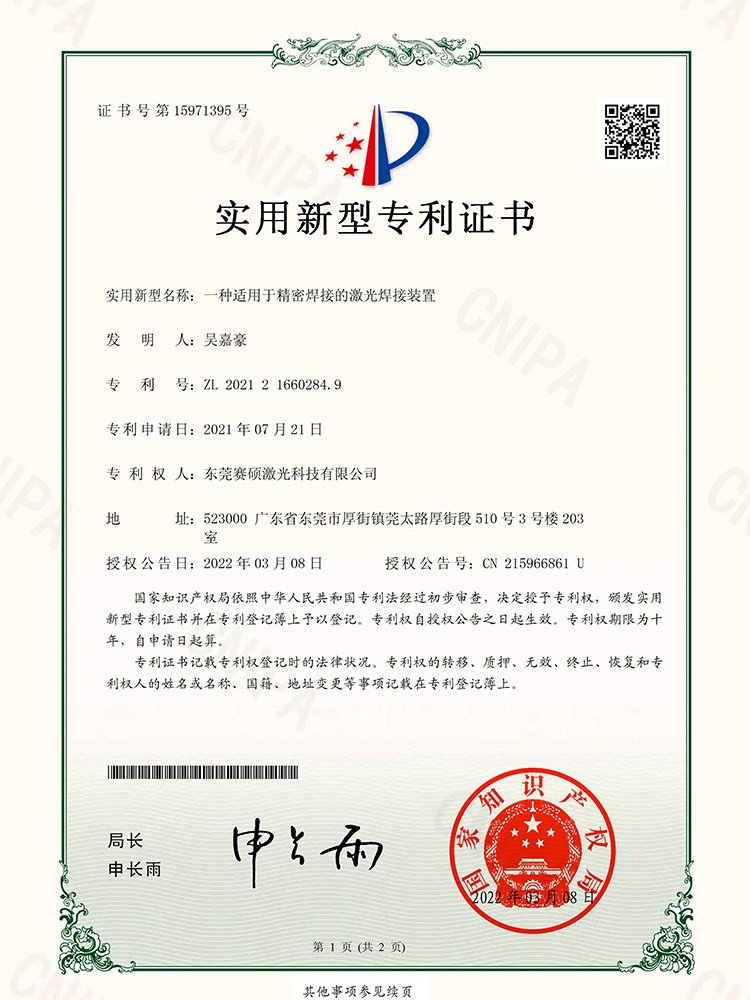
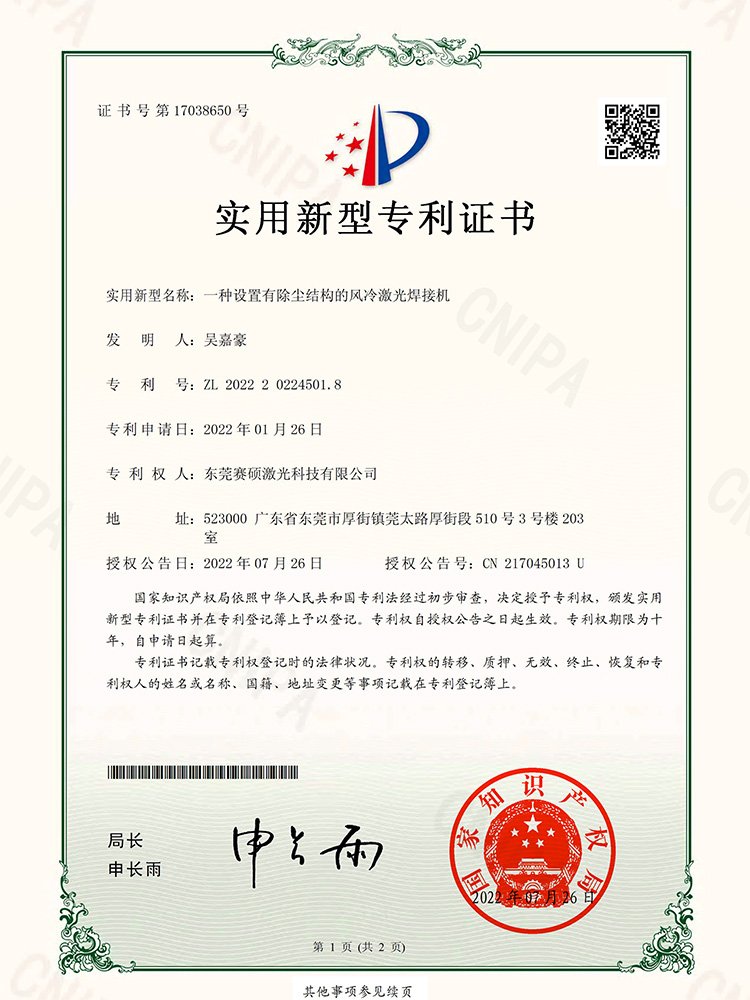
We have gone the extra mile to ensure that our operations align with the highest industry standards. To demonstrate our commitment to quality and excellence, we have proactively pursued and obtained recognized certifications from reputable organizations.
- ISO 9001:2015
- amfori Social Audit - Manufacturing
- UL-Factory Quality Audit
Certifications
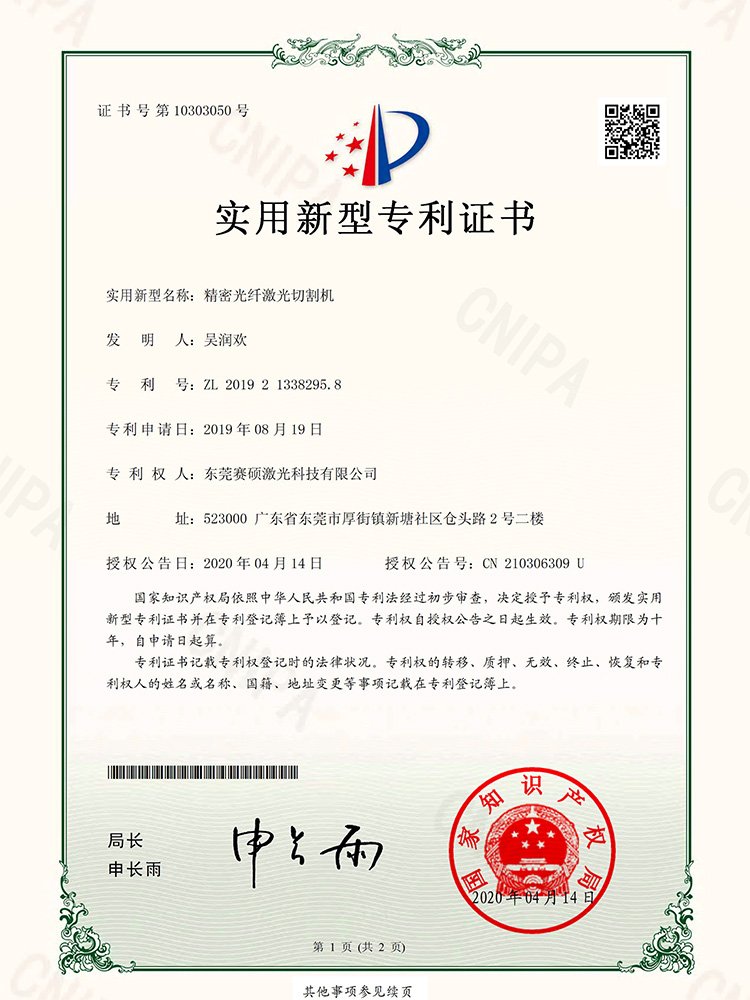
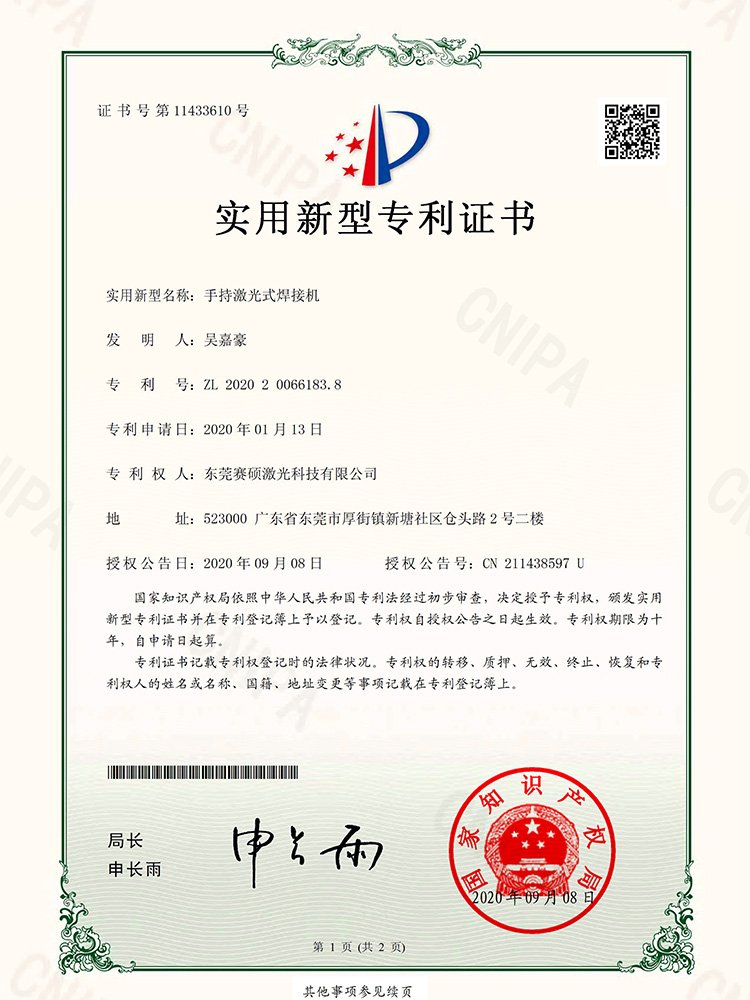
In order to provide better laser welder machine quality and service to meet the needs of customers,our factory and products have passed a lot of inspection and certification, and obtained a lot of certificates
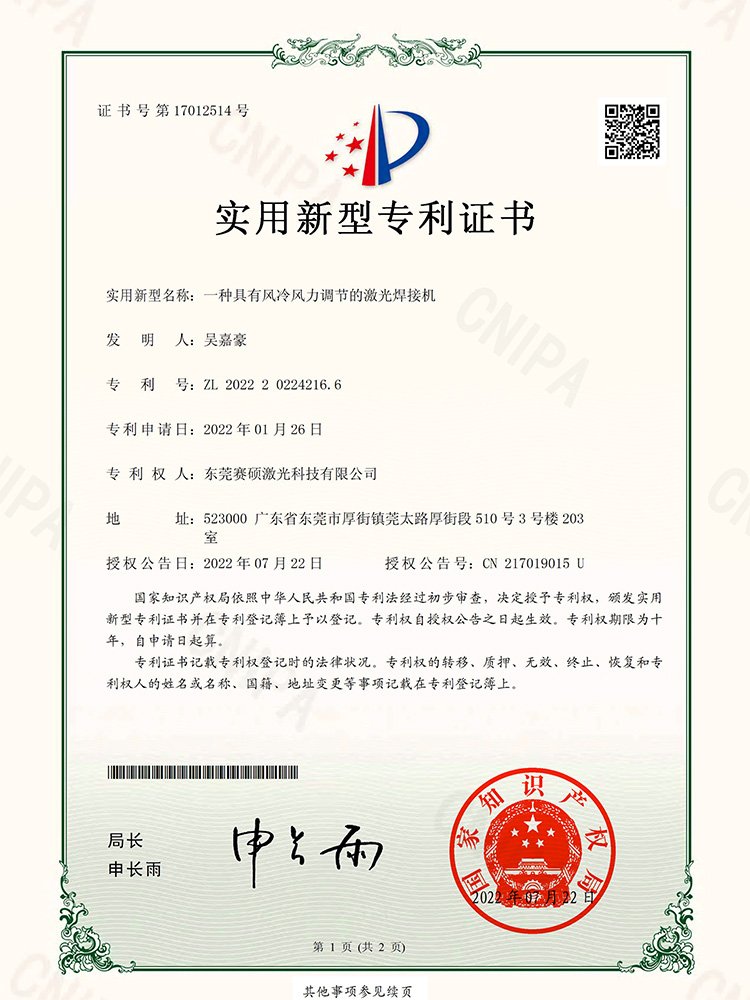
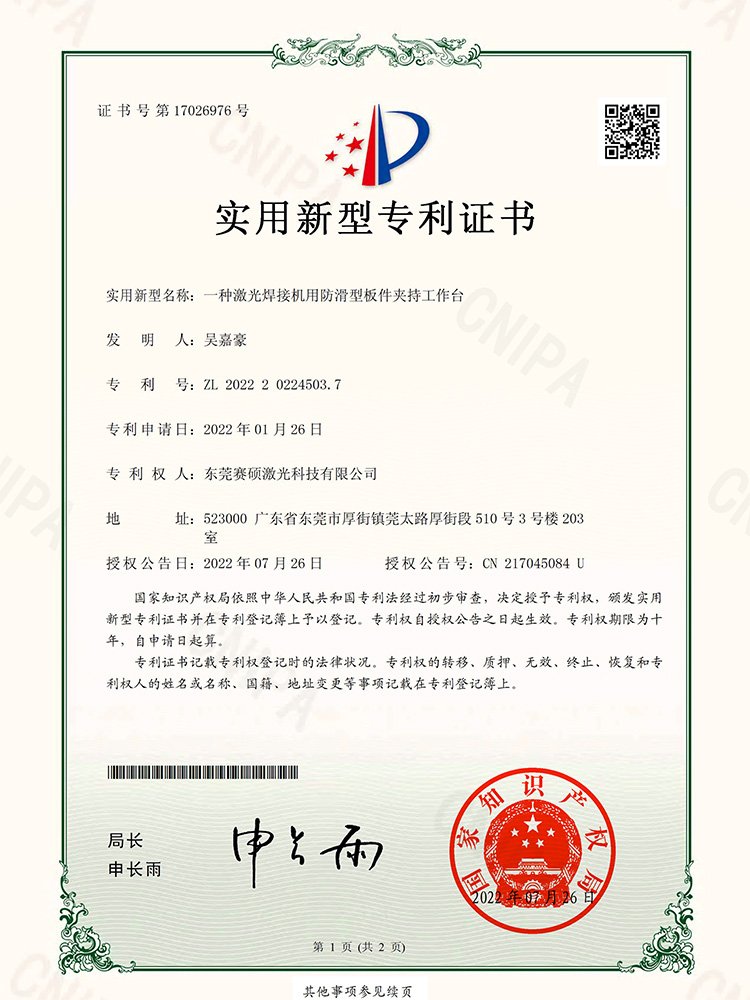
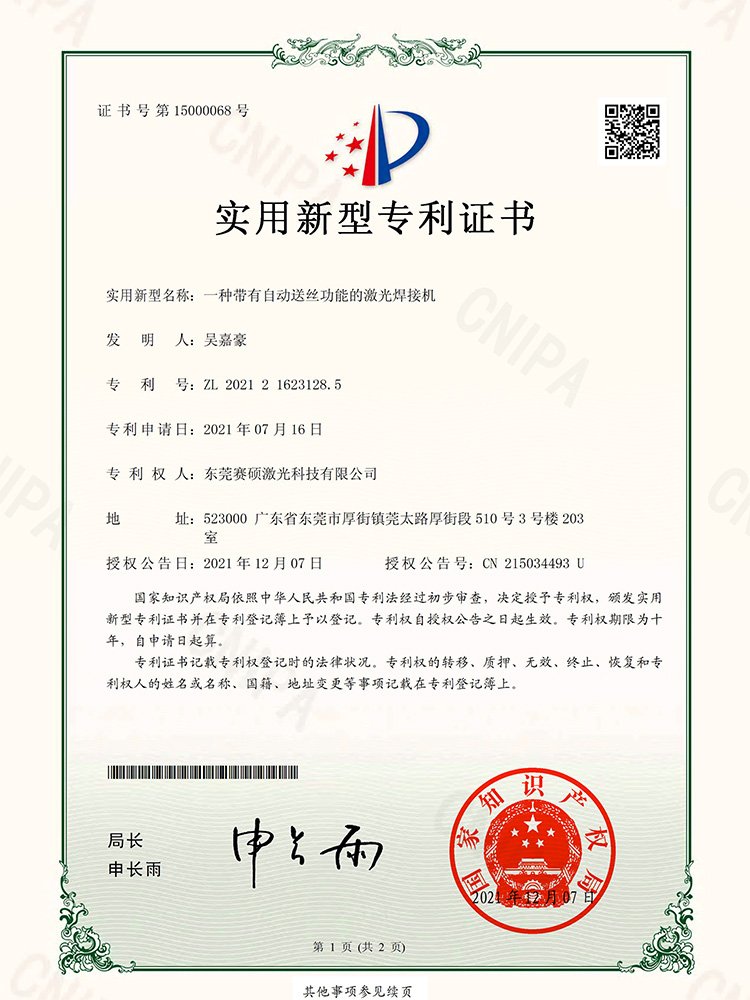
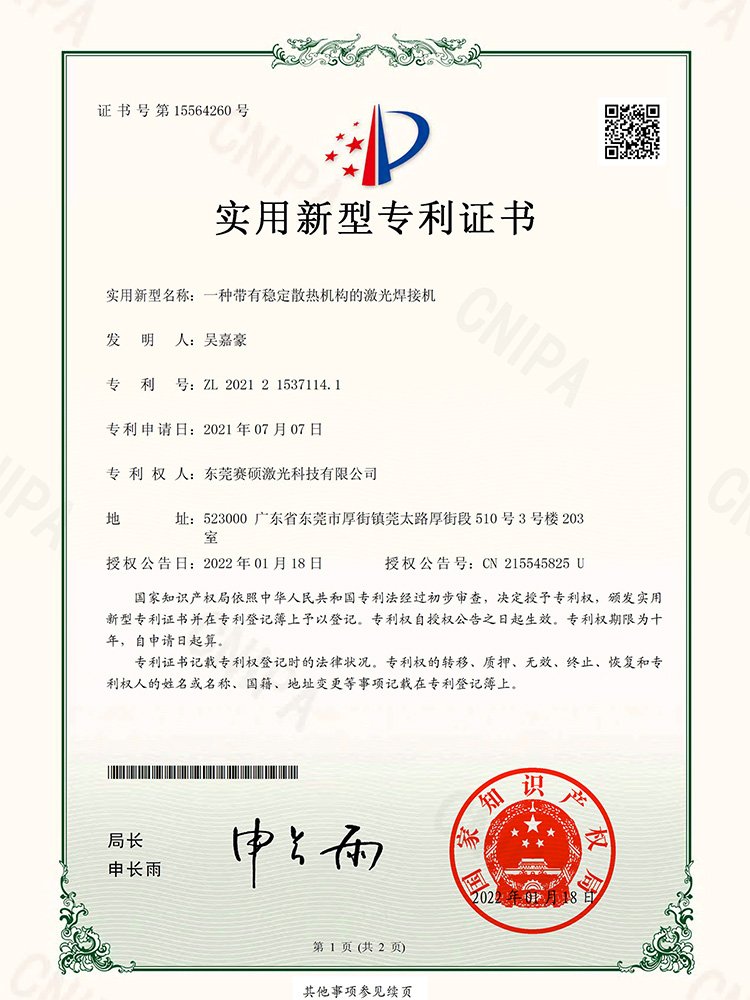
Sunrise laser welder
Integrated with the digital strategy, Sunrise laser welder is more intelligent and uses accelerated computing technology to run more than 50 percent faster than other companies’ products, significantly improving production efficiency!
Patented dynamic beam shaping and real-time weld pool monitoring systems.Enables consistent, spatter-free, deep-penetration welds on complex, thin, or dissimilar metals (e.g., aluminum to steel) – even by less experienced operators.
High-resolution vision systems combined with patented AI algorithms for real-time seam detection and tracking, even on reflective or curved surfaces.
Precise control over laser wavelength, pulse duration (ultra-short pulse options), and fluence tailored to specific contaminants without damaging the underlying base metal.
Minimal heat input reduces distortion and HAZ, metallurgical bond strength, ability to use premium alloys, extended component lifespan.
Combines deep penetration of laser with high deposition/fill of arc welding, increases welding speed for thick materials, improves gap bridging capability.
Our 11,000 sqm manufacturing hub is where this comprehensive quality management system comes alive. Governed by ISO 9001:2015 and enforced by a strict production management system, it ensures that the promise of our over 100 patents and certifications (CE, FDA, RoHS) is delivered reliably in every Handheld Laser Welder, Automated System, Tube Cutter, and Laser Cleaning System.Contact Sunrise and schedule a plant audit.
 English