Your Trusted Custom Laser Machine Manufacturer for OEM and ODM Projects
As industrial manufacturing continues to evolve, brands and equipment suppliers are facing increasing demand for specialized laser processing solutions. Standard laser machines can meet many general production requirements, but some customers need equipment that matches their own brand positioning, application scenarios, operating preferences, production processes, and target markets.
This is where custom laser machine manufacturing becomes important.
For industrial equipment brands, developing a customized laser machine is not simply a matter of adding a logo to a standard product. A successful customization project may involve product design, equipment configuration, structural optimization, component selection, electrical integration, control systems, manufacturing, quality inspection, packaging, and after-sales service.
Choosing an experienced custom laser machine manufacturer is therefore essential for brands that want to develop differentiated products without building their own complete manufacturing facilities.
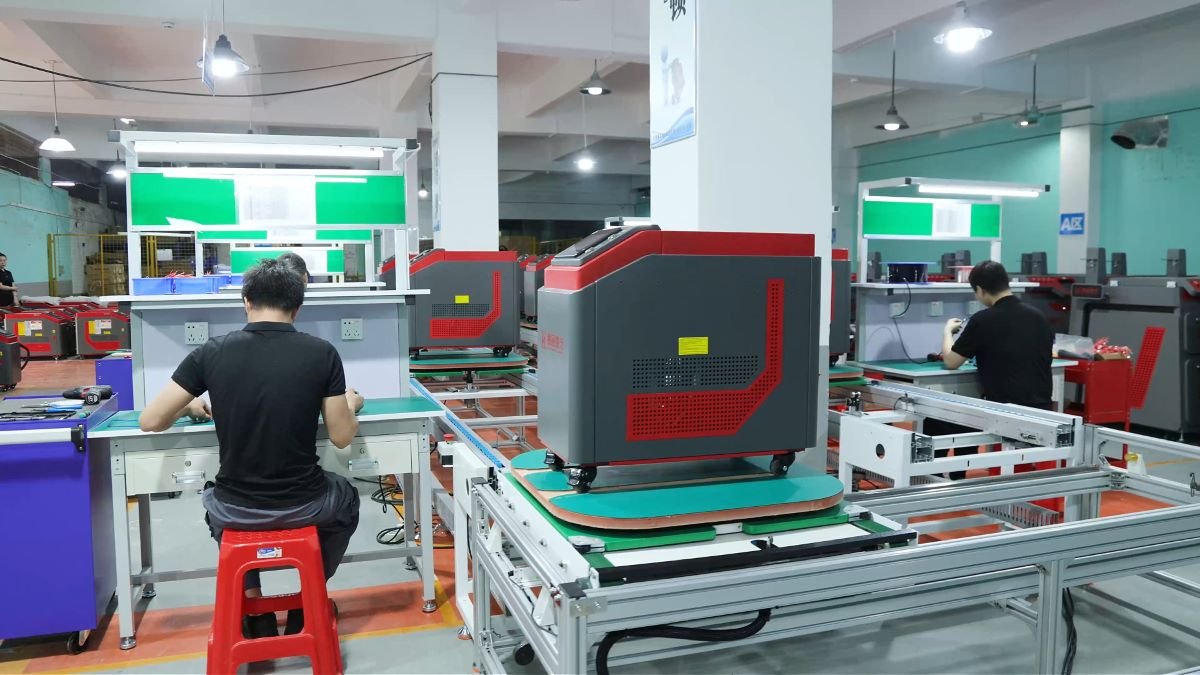
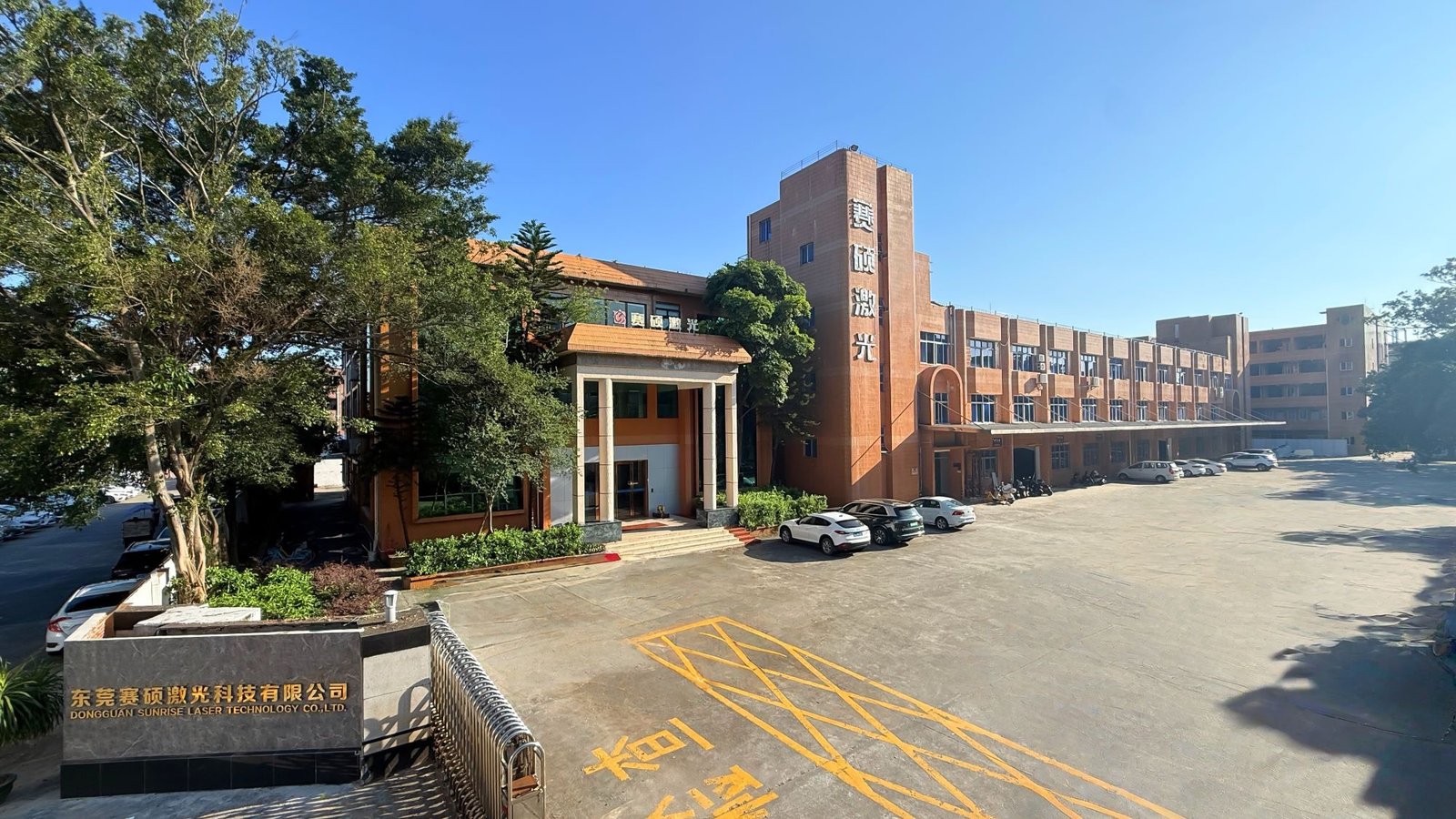
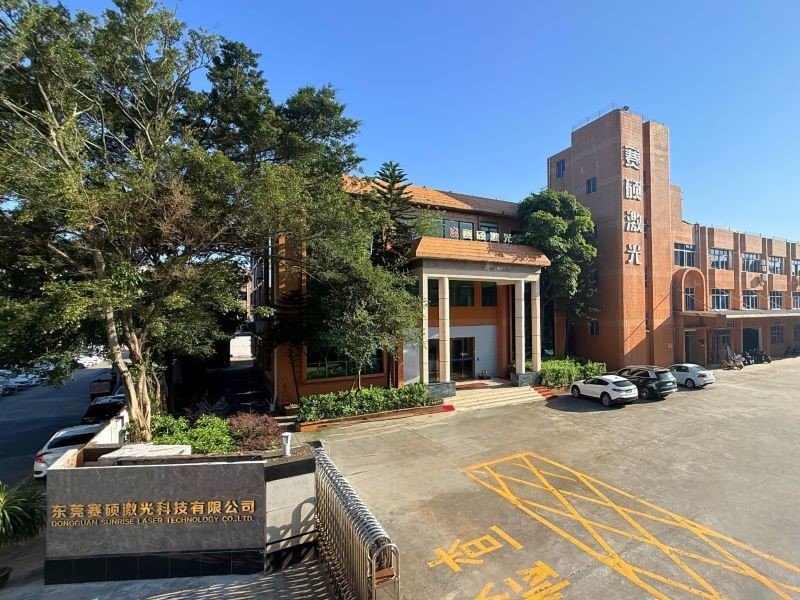
Sunrise Laser is an integrated industrial laser equipment manufacturer headquartered in Dongguan, China. The company combines research and development, product design, manufacturing, sales, and international export operations. With a production base covering more than 11,000 square meters, professional manufacturing equipment, and a trained production team, Sunrise Laser provides customized industrial laser equipment and solutions for global customers.
Its product portfolio includes:
Handheld laser welding machines
Automatic laser welding machines
Robotic laser welding machines
Gantry-type galvanometer laser welding platforms
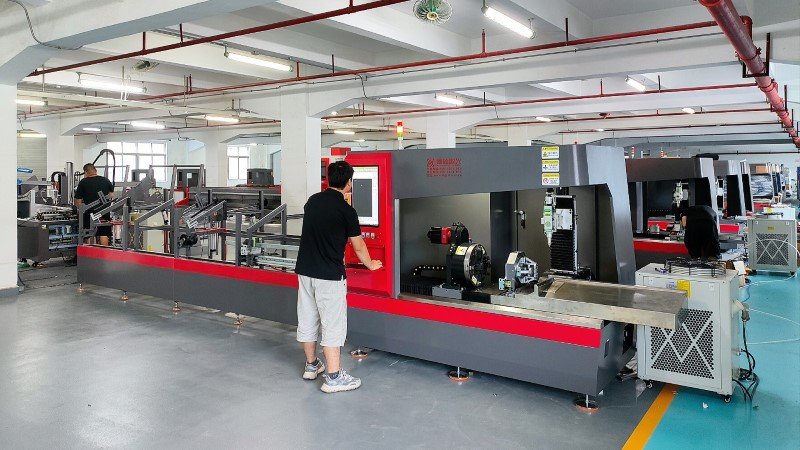
Laser tube cutting machines
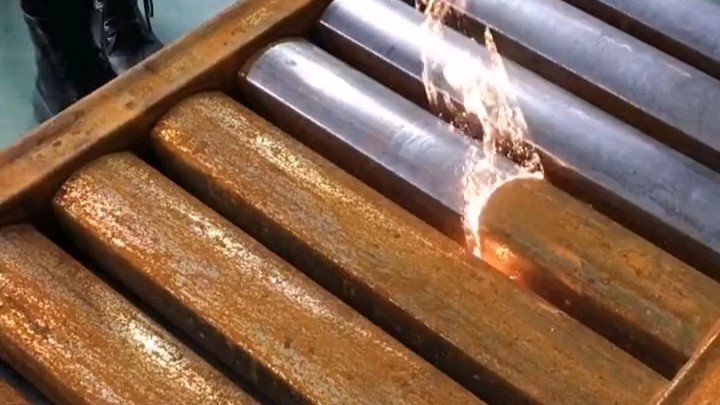
Laser rust removal machines
Other industrial laser equipment and customized solutions
Sunrise Laser’s products are widely used in medical equipment manufacturing, sheet metal fabrication, kitchenware, furniture, doors and windows, metal fabrication, and other industrial sectors.
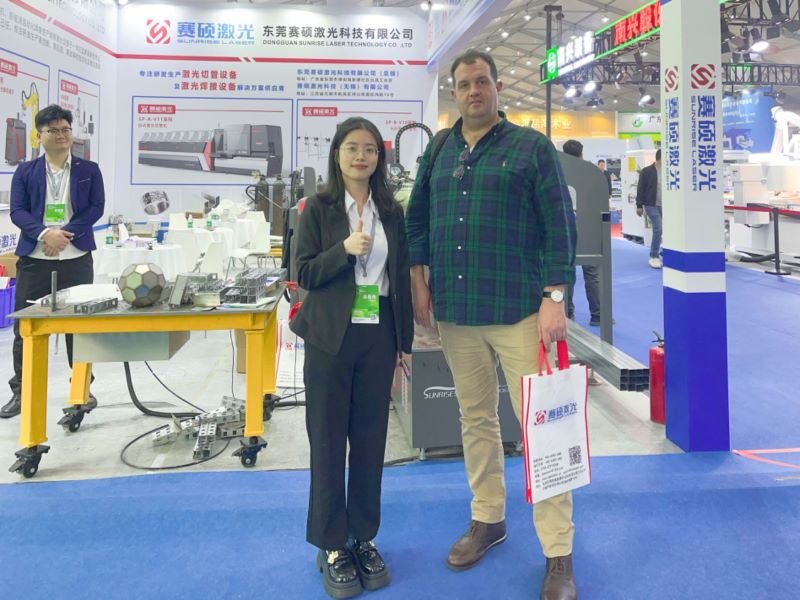
The company has served more than 10,000 customers in over 50 countries and regions and has developed a global network of approximately 2,000 laser equipment wholesalers and distributors.
For brands looking to develop their own industrial laser equipment, Sunrise Laser offers OEM and ODM cooperation opportunities supported by manufacturing resources, product customization, technical communication, and after-sales coordination.
This article explains how Sunrise Laser helps global brands develop a custom laser machine through eight key dimensions: product development, OEM/ODM manufacturing, supply chain integration, personalized configuration, production capability, quality management, technical support, and after-sales service.
1. Custom Laser Machine R&D and Design: Turning Brand Requirements into Practical Equipment Solutions
The first stage of a successful custom laser machine project is understanding the customer’s actual requirements.
Different brands may target different industries and customer groups. A brand serving small metal fabrication workshops may prioritize compact equipment, flexible operation, and ease of use. A brand targeting large industrial manufacturers may require automated welding systems, specialized configurations, or integration with existing production lines.
A professional laser welding machine manufacturer should therefore begin customization with application analysis rather than immediately offering a standard model.
1.1 Understanding the Brand’s Market Positioning
Before developing a customized laser machine, Sunrise Laser can communicate with the brand customer about:
Target countries and regions
Main customer industries
Intended applications
Expected equipment positioning
Preferred product categories
Technical requirements
Target purchasing budget
Branding and packaging expectations
This information helps establish a clear product development direction.
1.2 Application-Based Product Design
Industrial laser equipment must be designed around the materials, workpieces, and production conditions it is expected to process.
For example:
Medical equipment manufacturers may need solutions for suitable metal components and precision fabrication processes.
Sheet metal manufacturers may focus on welding flexibility and production efficiency.
Kitchenware manufacturers may require equipment for suitable stainless steel products.
Furniture manufacturers may need solutions for metal frames and structural components.
Door and window manufacturers may require equipment suitable for their specific metal fabrication processes.
These industries have different processing requirements. A custom laser machine should be evaluated according to the actual application rather than relying on a general product description.
1.3 Engineering Evaluation Before Customization
A customization request should be evaluated for technical feasibility before production.
Important considerations may include machine structure, laser power, cooling requirements, electrical configuration, processing head, control interface, accessories, and intended operating environment.
Sunrise Laser integrates R&D, design, and manufacturing operations, allowing customer requirements to be discussed in relation to actual production capabilities.
Value to brand customers: Application-oriented design helps brands develop products that are more closely aligned with their target customers and intended markets.
2. Custom Laser Machine OEM Manufacturing: Building Your Brand with Professional Production Resources
OEM manufacturing is an important cooperation model for industrial equipment brands.
Under an OEM arrangement, a customer can work with a manufacturer to produce equipment according to agreed product specifications, branding requirements, and manufacturing arrangements.
For a company that wants to expand its laser equipment product line, OEM cooperation can reduce the need to invest in its own factory, production equipment, and manufacturing personnel.
2.1 Private-Label Custom Laser Machine Production
Some brands already have established sales channels and customer relationships but do not have their own laser machine production facilities.
They may want to sell industrial laser equipment under their own brand.
Depending on the agreed project scope, Sunrise Laser can discuss OEM requirements such as:
Brand logos and identification
Machine labels
Product nameplates
Packaging design
User documentation
Machine appearance requirements
Agreed equipment configurations
This allows brands to develop a more consistent product identity across their equipment portfolio.
2.2 OEM Handheld Laser Welding Machines
Handheld laser welding machines are an important product category for many industrial equipment brands and distributors.
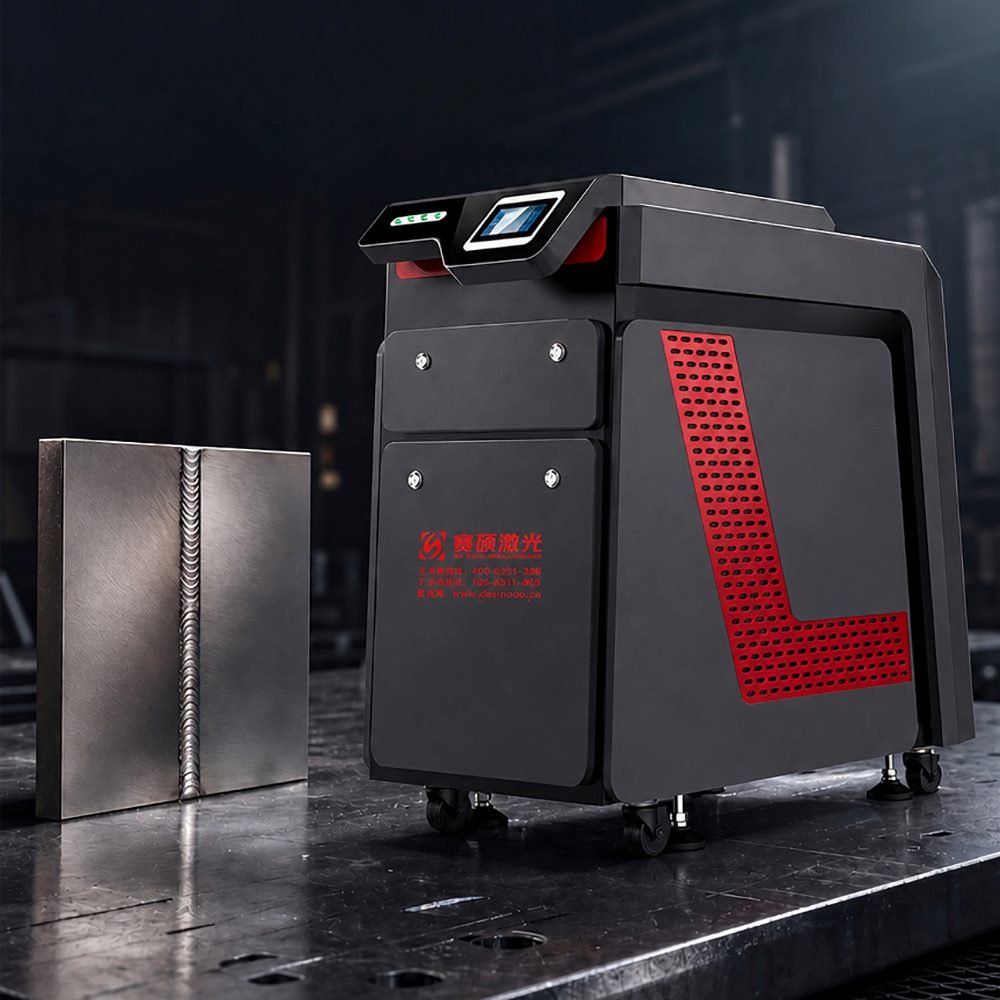
Sunrise Laser offers Mini Series and BG Series handheld laser welding machines, with power options ranging from 1,000W to 6,000W.
A brand customer may want to develop its own handheld laser welding product line with specific branding, appearance, accessory combinations, or market positioning.
As a custom handheld laser welder manufacturer, Sunrise Laser can discuss the feasibility of these requirements and coordinate the agreed manufacturing configuration.
2.3 OEM Production for Multiple Equipment Categories
OEM cooperation does not have to be limited to handheld welding machines.
Brands may also explore customized product programs involving:
Automatic laser welding machines
Three-axis automatic laser welding systems
Robotic laser welding machines
Gantry-type galvanometer laser welding platforms
Laser tube cutting machines
Laser rust removal machines
A broader product portfolio gives brands more opportunities to develop complete industrial laser equipment offerings.
Value to brand customers: OEM cooperation allows brands to focus on marketing, distribution, customer relationships, and local service while relying on an experienced manufacturer for equipment production.
3. Custom Laser Machine ODM Services: From Product Concept to Manufacturing
ODM cooperation goes beyond producing equipment according to an existing customer design.
In an ODM project, the manufacturer may participate in product development, design discussions, structural planning, configuration evaluation, and other technical activities according to the agreed project scope.
For brands that have identified a market opportunity but lack a complete product design, ODM cooperation can provide a practical route from concept to manufacturing.
3.1 Developing Equipment Around Market Requirements
A brand customer may identify an unmet requirement in its local market.
For example, customers may request a more compact machine, a different control interface, a particular accessory combination, or a specialized equipment configuration.
The brand can communicate these requirements to Sunrise Laser for technical evaluation.
3.2 Product Structure and Appearance Discussions
Depending on the project, ODM customization may involve:
Machine enclosure and external appearance
Equipment dimensions
Control panel arrangement
Operating interface requirements
Component layout
Accessory configuration
Branding integration
Not every request will be technically or commercially feasible. Engineering evaluation is necessary before confirming the final design.
3.3 Prototype and Design Confirmation
For projects involving significant design changes, it is important to establish clear confirmation stages.
These may include:
Customer requirement collection
Initial technical evaluation
Proposed configuration
Design review
Prototype or sample evaluation, where applicable
Final specification confirmation
Production approval
This process helps ensure that the manufacturer and brand customer share the same understanding of the final product.
3.4 Balancing Customization and Manufacturing Feasibility
A customized product should not only satisfy the brand’s design expectations. It must also be suitable for manufacturing, quality control, maintenance, and future production.
Sunrise Laser can evaluate customization requests from both engineering and manufacturing perspectives.
Value to brand customers: ODM cooperation can help brands develop differentiated laser equipment products without having to independently establish every stage of the product development and manufacturing process.
4. Custom Laser Machine Supply Chain Integration: Supporting Stable Product Development
Supply chain capability is an important factor in custom laser machine manufacturing.
An industrial laser machine is a complete system made up of multiple components and subsystems. Its performance and reliability depend on the compatibility of the selected components and the coordination of the manufacturing process.
A manufacturer must consider component selection, supplier coordination, technical compatibility, production scheduling, and quality requirements.
4.1 Coordinating Different Equipment Components
Depending on the machine type and configuration, industrial laser equipment may involve:
Laser sources
Welding or processing heads
Control systems
Electrical components
Cooling systems
Motion systems
Mechanical structures
Cables and connectors
Safety-related components
Accessories and consumables
The specific component requirements vary by product category.
A custom laser machine manufacturer must ensure that the selected configuration is technically appropriate for the intended equipment.
4.2 Component Compatibility
Selecting components independently does not guarantee that they will work effectively together.
For example, a customized laser welding machine must consider the compatibility of its laser source, processing head, control system, cooling arrangement, and electrical configuration.
These elements should be evaluated as part of the complete equipment system.
4.3 Supplier Coordination and Procurement Management
For customized projects, some components may have different specifications or procurement requirements from standard models.
A manufacturer with organized production and supplier coordination capabilities can better manage these requirements during project planning.
Sunrise Laser’s integrated R&D, design, manufacturing, and sales operations provide a foundation for coordinating customized product requirements with manufacturing arrangements.
4.4 Balancing Customization, Cost, and Supply Stability
A brand may request premium components, special accessories, or customized machine structures.
These decisions can influence procurement costs, production complexity, and future maintenance requirements.
A professional manufacturer should discuss the trade-offs before the final specification is confirmed.
Value to brand customers: Supply chain coordination helps brands evaluate component choices, product cost, manufacturing feasibility, and the requirements for repeat production.
5. Personalized Custom Laser Machine Configurations: Matching Equipment to Different Markets
Different customers may need different laser machine configurations even when they purchase the same product category.
Personalized customization allows brands to develop equipment combinations that better match their target industries and customer expectations.
5.1 Laser Power Configuration
Sunrise Laser offers handheld laser welding machines with power options ranging from 1,000W to 6,000W.
The appropriate power configuration depends on the intended material, workpiece thickness, joint design, production requirements, and process conditions.
A brand customer should communicate these application details before confirming a customized model.
5.2 Machine Appearance and Dimensions
Some brands have specific preferences for equipment appearance, enclosure design, machine dimensions, or control panel arrangement.
These requirements can be evaluated according to the product structure and manufacturing feasibility.
5.3 Operating Interface and Language Requirements
International brands may serve customers in markets with different language preferences and operating habits.
Depending on the control system and product configuration, customers can discuss language and interface requirements with Sunrise Laser.
The available options should be confirmed for the specific model before production.
5.4 Accessories and Product Packages
A brand may want to create different product packages for different customer groups.
For example, an entry-level package may contain a standard equipment configuration, while a professional package may include additional agreed accessories.
The contents of each package should be documented clearly to avoid confusion during production and delivery.
5.5 Electrical and Regional Requirements
Industrial laser equipment may need to meet different electrical and regulatory requirements depending on the destination market.
Customers should provide the destination country, electrical supply information, and applicable compliance requirements early in the project.
The manufacturer can then evaluate the appropriate equipment configuration and documentation requirements.
Value to brand customers: Personalized configurations help brands develop product lines for different market segments instead of relying on one standard machine for every customer.
6. Custom Laser Machine Production Capacity: More Than 11,000 Square Meters of Manufacturing Space
A customized product design must eventually become a manufacturable product.
For this reason, the manufacturer’s production capacity is one of the most important considerations when selecting an OEM or ODM partner.
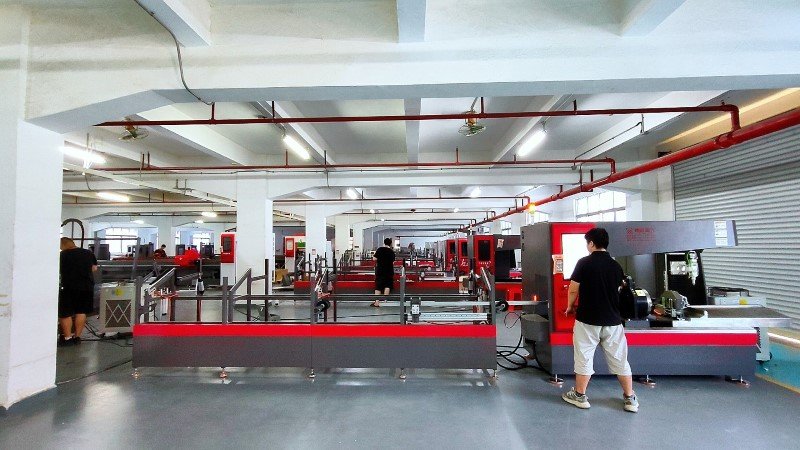
Sunrise Laser operates a manufacturing base covering more than 11,000 square meters in Dongguan, China.
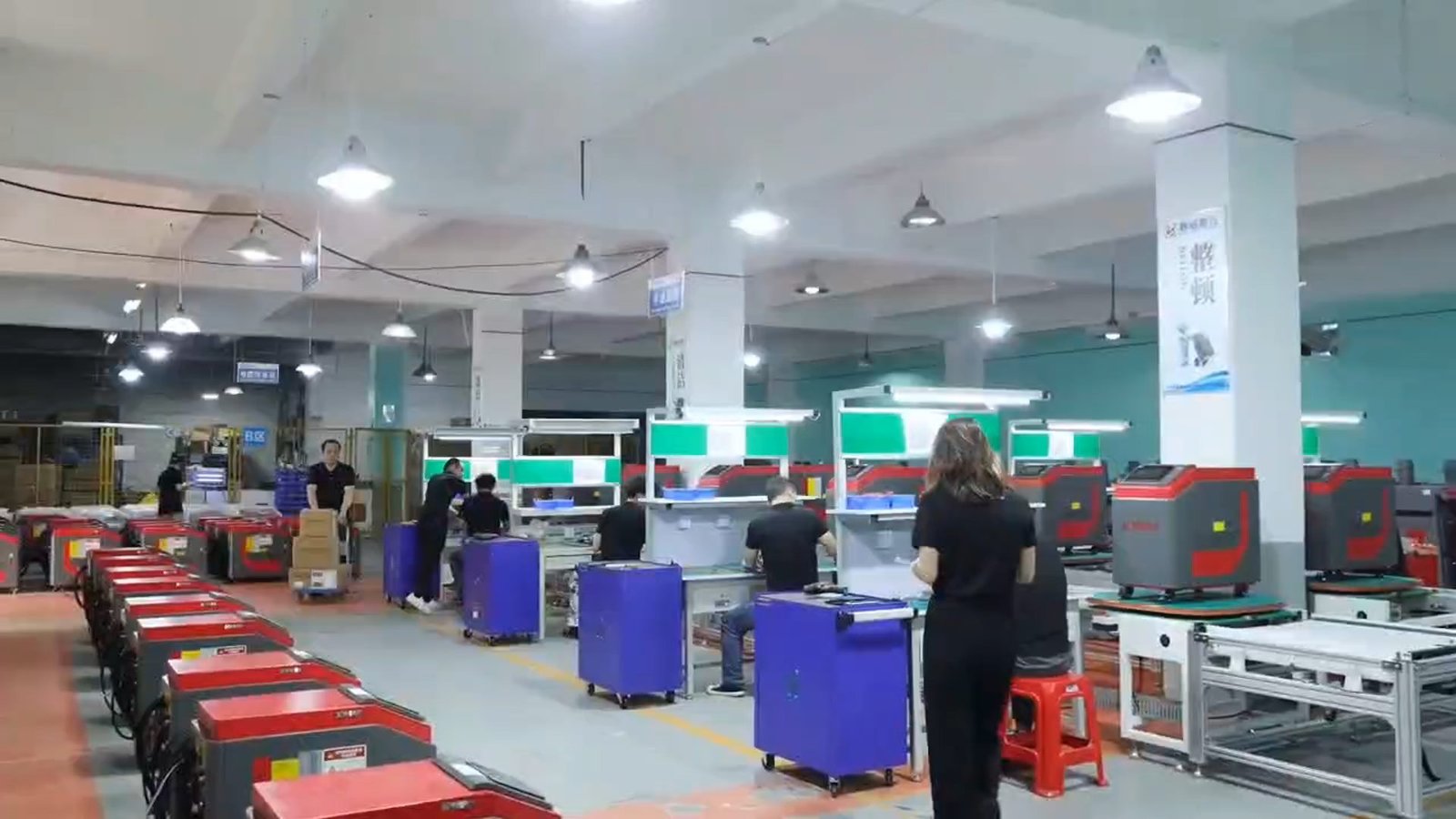
The factory is equipped with professional production equipment and supported by a trained production team and professional management personnel.
6.1 An Established Manufacturing Base
An 11,000+ square meter production base provides the physical foundation for equipment manufacturing, production organization, and coordination between different operational activities.
For brand customers, this is important because custom equipment projects require more than design discussions. They require a manufacturing partner with the resources to organize actual production.
6.2 Professional Production Equipment
Industrial laser equipment manufacturing requires appropriate production tools and equipment for mechanical assembly, electrical integration, system installation, and testing.
Sunrise Laser’s factory is equipped with professional production equipment to support its industrial laser equipment manufacturing activities.
6.3 Trained Production Personnel
A professional production team plays an important role in manufacturing consistency.
Customized products may involve different specifications from standard models. Production personnel therefore need to follow the confirmed configuration and relevant assembly requirements.
6.4 Production Management and Order Coordination
A customized project may include multiple models, different accessories, branding requirements, and special packaging instructions.
These details should be organized before production begins.
Sunrise Laser’s professional management team supports production organization and manufacturing coordination.
6.5 Supporting Multiple Product Categories
Sunrise Laser manufactures different types of industrial laser equipment, including handheld welding machines, automatic welding machines, tube cutting machines, and rust removal machines.
This product range gives brand customers opportunities to discuss multiple product categories with one manufacturing partner.
Value to brand customers: An established production base provides a practical foundation for customized manufacturing, product expansion, and ongoing supply cooperation.
7. Custom Laser Machine Quality Management: Ensuring Product Consistency
Quality management is essential in OEM and ODM manufacturing.
When a brand sells customized laser equipment under its own name, the product’s quality directly affects its reputation and customer relationships.
A successful custom laser machine project should therefore define quality requirements before production.
7.1 Confirming Product Specifications
The first step is to establish a clear technical specification.
The document should identify the equipment model, laser power, main components, accessories, electrical configuration, appearance requirements, and other agreed details.
This becomes the reference for production and inspection.
7.2 Incoming Component Inspection
Components used in industrial laser equipment should be checked against the relevant purchasing and technical requirements.
The inspection scope depends on the component type and project specifications.
7.3 Assembly Process Management
Assembly quality can influence machine operation and long-term service requirements.
Production teams should follow the agreed assembly procedures and configuration requirements.
7.4 Functional Testing
Before delivery, customized equipment should undergo appropriate functional checks.
Depending on the machine type, testing may include:
Power-on and system operation
Control interface checks
Electrical function checks
Cooling system checks
Machine movement checks, where applicable
Processing or welding function evaluation
Accessory and configuration verification
The final test plan should reflect the specific product and agreed acceptance criteria.
7.5 Final Inspection and Packaging Checks
The final inspection should verify that the delivered machine matches the confirmed order requirements.
Packaging should also be checked according to the agreed export and transportation requirements.
Value to brand customers: Defined specifications and quality checks help reduce configuration misunderstandings and support more consistent branded product delivery.
8. Custom Laser Machine Branding and Packaging: Creating a Consistent Brand Identity
For many industrial equipment companies, brand identity is a key part of market differentiation.
Customers may recognize a product through its appearance, logo, documentation, packaging, and overall presentation.
A custom laser machine project can therefore include branding and packaging requirements as part of the OEM or ODM discussion.
8.1 Customized Machine Logos
Brands may want their own logo displayed on the equipment.
Depending on the machine design and agreed production scope, logo placement and identification methods can be evaluated.
8.2 Product Labels and Nameplates
Machine labels and nameplates may contain important product information, such as model identification, electrical information, and other relevant details.
The final content should be accurate and consistent with the equipment configuration and applicable requirements.
8.3 Customized Packaging
Packaging can be an important part of the customer’s brand experience.
Brands may discuss packaging identification, product labels, documentation placement, and other agreed presentation details.
8.4 User Manuals and Product Documentation
Clear documentation helps distributors and end users understand equipment specifications, operating requirements, and routine maintenance information.
Brand customers can discuss documentation requirements and the available customization options for their products.
Value to brand customers: Coordinated branding and packaging help create a more consistent product identity across the equipment, documentation, and customer delivery experience.
9. Custom Laser Machine Technical Support: Helping Brands Solve Application Challenges
Customized industrial laser equipment often involves more detailed technical discussions than standard products.
Brand customers may have questions about equipment selection, material compatibility, processing requirements, control functions, or machine configuration.
Sunrise Laser’s R&D and technical capabilities provide a foundation for communicating these requirements.
9.1 Application Requirement Evaluation
Before recommending a machine configuration, the manufacturer should understand:
Material type
Material thickness
Workpiece dimensions
Joint or cutting geometry
Production volume
Required processing result
Operating environment
Existing production equipment
This information helps establish whether the proposed machine is suitable for the intended application.
9.2 Welding Application Support
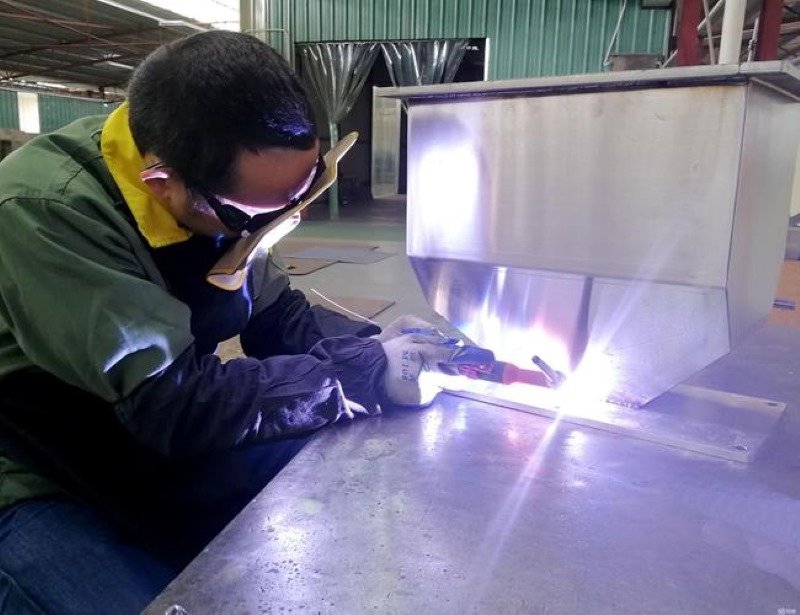
For a custom handheld laser welder, the welding application should be evaluated based on the material, joint design, thickness, surface condition, and production requirements.
For example, welding requirements in stainless steel kitchenware manufacturing may differ from those in sheet metal fabrication or metal furniture production.
9.3 Automation and Integration Discussions
Some brands serve customers that require automated production.
Sunrise Laser offers three-axis automatic laser welding machines, robotic laser welding machines, and gantry-type galvanometer laser welding platforms.
For projects involving automation, the customer should provide information about workpiece handling, production flow, positioning requirements, and the desired level of integration.
9.4 Technical Communication During Product Development
Clear communication is especially important when a project involves non-standard configurations.
Drawings, photographs, application videos, and written technical specifications can help the manufacturer understand the requirements more accurately.
Value to brand customers: Technical communication helps transform a general customization request into a more clearly defined and manufacturable equipment specification.
10. Custom Laser Machine After-Sales Support: Protecting Brand Reputation After Delivery
A successful OEM or ODM project does not end when the equipment leaves the factory.
The brand customer must continue supporting distributors and end users after delivery.
For industrial laser equipment, after-sales support may involve installation guidance, operating instructions, maintenance questions, troubleshooting, and replacement components.
Sunrise Laser recognizes the importance of supporting customers beyond the manufacturing stage.
10.1 Pre-Delivery Technical Preparation
Before shipment, the brand customer and manufacturer should confirm the equipment configuration, accessories, electrical requirements, documentation, and agreed delivery details.
This helps ensure that the receiving team knows what to expect.
10.2 Operating Instructions and Product Documentation
Accurate operating documentation is important for distributors and end users.
It should clearly identify the machine model, relevant functions, operating requirements, and maintenance considerations.
The exact documentation package should be confirmed during the project.
10.3 Troubleshooting Communication
When an end user reports a machine problem, the brand or distributor should collect complete information before contacting the manufacturer.
Useful information includes:
Machine model and serial number
Equipment configuration
Description of the issue
Alarm or error messages
Photographs and videos
Operating conditions
Relevant maintenance history
This information helps the technical team evaluate the problem more effectively.
10.4 Spare Parts and Maintenance Planning
Different machine models require different maintenance and replacement components.
Brand customers should discuss recommended spare parts, maintenance requirements, and purchasing arrangements before launching the product in their local markets.
10.5 Supporting Long-Term Brand Cooperation
A brand’s reputation depends on the entire customer experience, including product quality and after-sales responsiveness.
Sunrise Laser works with international customers and equipment distributors and can discuss service arrangements as part of the cooperation process.
Specific support scope, response arrangements, and responsibilities should be agreed before order confirmation.
Value to brand customers: A structured after-sales process helps brands support their distributors and end users while protecting long-term customer relationships.
11. Custom Laser Machine Solutions for Different Industries
One of the advantages of working with an integrated laser equipment manufacturer is the opportunity to develop products for different industrial applications.
Sunrise Laser’s equipment portfolio serves a variety of industries.
11.1 Custom Laser Machines for Medical Equipment Manufacturing
Medical equipment manufacturers may process metal components, frames, housings, and other suitable parts.
Depending on the workpiece and applicable requirements, customized laser welding solutions may be evaluated for specific metal fabrication processes.
Equipment selection should consider the required dimensional accuracy, material, joint structure, and production environment.
11.2 Custom Laser Machines for Sheet Metal Fabrication
Sheet metal manufacturers often process different metal parts and structures.
Handheld laser welding machines may be considered for suitable welding applications, while automatic laser welding systems may be evaluated for repeatable production processes.
Laser tube cutting machines can also serve manufacturers that process metal tubes and structural profiles.
11.3 Custom Laser Machines for Kitchenware Manufacturing
Kitchenware manufacturers frequently work with stainless steel and other suitable metals.
Depending on product design, laser welding machines may be evaluated for selected kitchen equipment components, containers, frames, and metal structures.
11.4 Custom Laser Machines for Furniture Manufacturing
Metal furniture production may involve frames, brackets, structural components, and decorative metal parts.
Handheld welding equipment can be considered for suitable fabrication processes, while tube cutting equipment may support the preparation of round, square, and rectangular metal profiles.
11.5 Custom Laser Machines for Doors and Windows
Manufacturers of metal doors, windows, and related structures may require equipment for different metal fabrication operations.
The appropriate laser solution depends on the materials, profile design, workpiece dimensions, and production workflow.
11.6 Custom Laser Machines for Metal Surface Treatment
Laser rust removal machines can serve suitable surface preparation and cleaning applications.
Sunrise Laser offers handheld laser rust removal equipment with power configurations ranging from 1,000W to 3,000W.
Brands serving industrial maintenance and metal processing customers may consider this category as part of their customized product portfolio.
12. Representative Brand Customization Case: Developing a Private-Label Handheld Laser Welding Machine
The following is an illustrative, anonymized project scenario showing how a brand customer could cooperate with Sunrise Laser. It is not presented as a verified named customer project.
Customer Background
A regional industrial equipment brand wanted to introduce a private-label handheld laser welding machine product line.
The company already had local distributors and relationships with metal fabrication customers but did not operate its own laser equipment manufacturing facility.
Its target customers included manufacturers of stainless steel furniture, kitchen equipment, metal doors, and sheet metal products.
Main Customization Requirements
The brand customer wanted to develop a product offering that matched its existing market positioning.
Its requirements included:
A handheld laser welding machine product line with multiple power options.
Its own brand logo and product identification.
A consistent machine appearance across the product range.
Agreed accessory and configuration packages.
Product documentation suitable for its distribution network.
Technical communication to help local sales personnel understand the equipment.
Manufacturing and after-sales coordination for future orders.
Step 1: Market and Application Analysis
Sunrise Laser first discussed the brand’s target market, customer industries, and expected product positioning.
The customer explained that its main sales opportunities were in stainless steel fabrication, kitchen equipment, furniture, and general sheet metal processing.
Based on these requirements, the parties could evaluate suitable handheld laser welding machine configurations.
Step 2: Product Configuration Discussion
Sunrise Laser introduced its Mini Series and BG Series handheld laser welding machines, which include power options from 1,000W to 6,000W.
The brand customer reviewed the product range and discussed the configurations most relevant to its market.
The final product specifications would be confirmed according to the intended applications and technical requirements.
Step 3: OEM Branding and Appearance
The brand customer wanted its own visual identity on the machines.
The customization discussion covered logo placement, product labels, and other agreed appearance details.
The objective was to create a consistent brand presentation across the product line.
Step 4: Component and Supply Chain Coordination
After the equipment configuration was confirmed, the manufacturer could coordinate the relevant components and production requirements.
This stage is important because the final machine must match the agreed specifications rather than simply resemble a standard model externally.
Step 5: Production and Quality Verification
Sunrise Laser’s manufacturing team would organize production according to the confirmed order requirements.
Relevant checks would cover equipment configuration, assembly, functional operation, accessories, and final packaging.
Step 6: Documentation and Distributor Preparation
The brand customer needed to prepare its local distributors to introduce and support the new product range.
The manufacturer could communicate relevant product information, equipment specifications, and technical considerations to help the brand develop its product materials and distributor training plan.
Step 7: After-Sales Coordination
Before the product launch, the parties would clarify how technical issues should be reported, what machine information should be collected, and how spare parts and maintenance requirements would be handled.
Project Value
This representative scenario demonstrates how a brand can work with a custom laser machine manufacturer to develop a private-label product line without establishing a complete manufacturing operation.
The manufacturer provides product development and production resources, while the brand focuses on its market, sales channels, distributor relationships, and customer service.
13. Why Global Brands Choose Sunrise Laser as Their Custom Laser Machine Factory
Choosing a manufacturing partner requires evaluating more than the initial quotation.
A reliable OEM/ODM partner should have the manufacturing foundation, technical communication capabilities, and international customer experience necessary to support long-term product cooperation.
Sunrise Laser offers several important advantages.
| Evaluation Dimension | Sunrise Laser’s Capabilities | Value to Brand Customers |
|---|---|---|
| Business model | R&D, design, manufacturing, sales, and export | Integrated manufacturing cooperation |
| Factory area | More than 11,000 m² | Established production foundation |
| Product portfolio | Welding, tube cutting, rust removal, and other laser equipment | Multiple product development opportunities |
| Handheld welding range | 1,000W–6,000W | Different product positioning options |
| Automatic welding | Three-axis, robotic, and gantry-type systems | Automation product opportunities |
| OEM cooperation | Branding and agreed product customization | Private-label product development |
| ODM cooperation | Product design and technical evaluation discussions | Customized product development |
| Global customers | 10,000+ customers | International market experience |
| International coverage | 50+ countries and regions | Experience with export customers |
| Distributor network | Approximately 2,000 wholesalers and distributors | Understanding of wholesale market requirements |
| Industry applications | Medical equipment, sheet metal, kitchenware, furniture, doors and windows, and more | Broad industrial application experience |
| After-sales cooperation | Technical communication and service coordination | Support beyond product delivery |
For brands that want to expand their laser equipment product lines, Sunrise Laser provides an integrated manufacturing partner to discuss product development, OEM/ODM production, and long-term cooperation.
14. How to Start a Custom Laser Machine OEM or ODM Project with Sunrise Laser
A clear project process helps reduce communication errors and improves the efficiency of customization.
Brand customers can follow these steps when starting a project with Sunrise Laser.
Step 1: Share Your Brand and Market Information
Introduce your company, target market, customer industries, distribution model, and expected product positioning.
Step 2: Identify the Required Laser Equipment
Clarify whether you need:
Handheld laser welding machines
Automatic laser welding machines
Robotic laser welding systems
Laser tube cutting machines
Laser rust removal machines
Multiple equipment categories
Step 3: Provide Technical Requirements
Share available product drawings, workpiece photographs, material specifications, application videos, or existing machine references.
The more complete the information, the easier it is to evaluate the project.
Step 4: Discuss OEM or ODM Requirements
Clarify whether you need standard equipment with private branding or a more extensive product development project.
Discuss logo placement, machine appearance, configurations, accessories, labels, and packaging requirements.
Step 5: Confirm the Technical Specification
The manufacturer and brand customer should agree on the equipment configuration, main components, technical requirements, and acceptance criteria.
Step 6: Confirm Pricing and Production Arrangements
After the specifications are confirmed, discuss the quotation, order quantity, customization scope, production schedule, and delivery arrangements.
Step 7: Organize Production and Inspection
The manufacturer organizes production according to the agreed specifications and completes the relevant quality checks.
Step 8: Coordinate Delivery and After-Sales Support
Before shipment, confirm packaging, documentation, transportation arrangements, and the technical support process.
This creates a clearer foundation for repeat orders and long-term cooperation.
15. Frequently Asked Questions About Custom Laser Machine Manufacturing
Q1: What is a custom laser machine?
A custom laser machine is industrial laser equipment developed or configured according to specific customer requirements.
Customization may involve machine appearance, laser power, accessories, operating interface, branding, packaging, or more extensive product design and engineering work.
The actual scope depends on technical feasibility and the agreed project requirements.
Q2: What is the difference between OEM and ODM laser machine manufacturing?
OEM manufacturing generally involves producing equipment according to agreed customer specifications, often including private-label branding.
ODM manufacturing may involve more extensive participation in product design and development, allowing the customer to develop a customized product with the manufacturer’s technical and manufacturing resources.
Q3: Can Sunrise Laser manufacture custom handheld laser welding machines?
Sunrise Laser offers handheld laser welding machines in Mini Series and BG Series configurations, with power options ranging from 1,000W to 6,000W.
Brand customers can discuss OEM requirements and possible equipment customization according to their target markets and technical needs.
Q4: Can Sunrise Laser support private-label laser equipment?
Brand customers can discuss private-label requirements such as logos, product labels, machine identification, packaging, and documentation.
The available customization scope should be confirmed for the specific product and order.
Q5: What information is needed to develop a custom laser machine?
Useful information includes the target application, materials, workpiece dimensions, required processing results, machine configuration, intended market, branding requirements, and expected purchasing quantity.
Drawings, photographs, and application videos can also help the manufacturer evaluate the project.
Q6: Does Sunrise Laser manufacture more than handheld laser welding machines?
Yes. Its product portfolio also includes automatic laser welding machines, robotic laser welding machines, gantry-type galvanometer laser welding platforms, laser tube cutting machines, and laser rust removal machines.
Q7: What industries can use Sunrise Laser equipment?
Sunrise Laser equipment is used in a range of industrial sectors, including medical equipment manufacturing, sheet metal fabrication, kitchenware, furniture, doors and windows, and other metal processing industries.
The suitability of each machine depends on the specific application and technical requirements.
Q8: How large is Sunrise Laser’s manufacturing facility?
Sunrise Laser operates a production base covering more than 11,000 square meters in Dongguan, China.
The factory is equipped with professional production equipment and supported by trained production personnel and a professional management team.
Q9: Does Sunrise Laser support international brand customers?
Yes. Sunrise Laser has served more than 10,000 customers across over 50 countries and regions and has developed a network of approximately 2,000 laser equipment wholesalers and distributors worldwide.
Q10: Does Sunrise Laser provide after-sales support for customized equipment?
Sunrise Laser can discuss technical communication and after-sales arrangements as part of the project.
Customers should confirm the specific documentation, troubleshooting process, spare parts arrangements, and service responsibilities before placing an order.
Sunrise Laser Is Your Manufacturing Partner for Custom Laser Machine Development
Developing a successful industrial laser equipment brand requires more than finding a supplier that can provide standard machines.
Brands need a manufacturing partner that understands product development, OEM and ODM cooperation, supply chain coordination, personalized configurations, production management, quality requirements, and after-sales service.
Sunrise Laser brings these capabilities together through its integrated industrial laser equipment business.
With an 11,000+ square meter manufacturing base, professional production equipment, trained personnel, and an international customer network covering more than 50 countries and regions, Sunrise Laser provides a manufacturing foundation for global brand customers.
Its product portfolio includes handheld laser welding machines, automatic laser welding machines, laser tube cutting machines, laser rust removal machines, and other industrial laser equipment.
Whether you are an established industrial equipment brand planning to expand your product range, a distributor developing your own private-label products, or a new company entering the laser equipment market, Sunrise Laser can discuss suitable OEM and ODM cooperation opportunities.
Looking for a reliable custom laser machine manufacturer in China? Contact Sunrise Laser to discuss your product ideas, technical requirements, OEM/ODM customization, and manufacturing plans.
Turn your product concept into a customized industrial laser equipment solution with Sunrise Laser.
We have a leading laser welding machine factory of skilled engineers ready to support you in your product development journey from idea design to production.Any ideas about your product you can contact us freely,and our engineers will get back to you with a quote asap. WhatsApp: +86 198 5408 2298
Who is Sunrise laser?
Dongguan Sunrise Laser Technology Co, Ltd. was established in 2016 with a registered capital of CNY 20.210,000 and a modern productionase of 11,000+㎡. It is a professional manufacturer dedicated to the research and development, production, and sales of high-end laser welding machine,laser tube cutting machine.
What is your product range?
We pecialize in the design and production of high quality laser machines,such as laser welding machine,laser tube cutting machine, laser rust removal machine…
Do you have any international certifications?
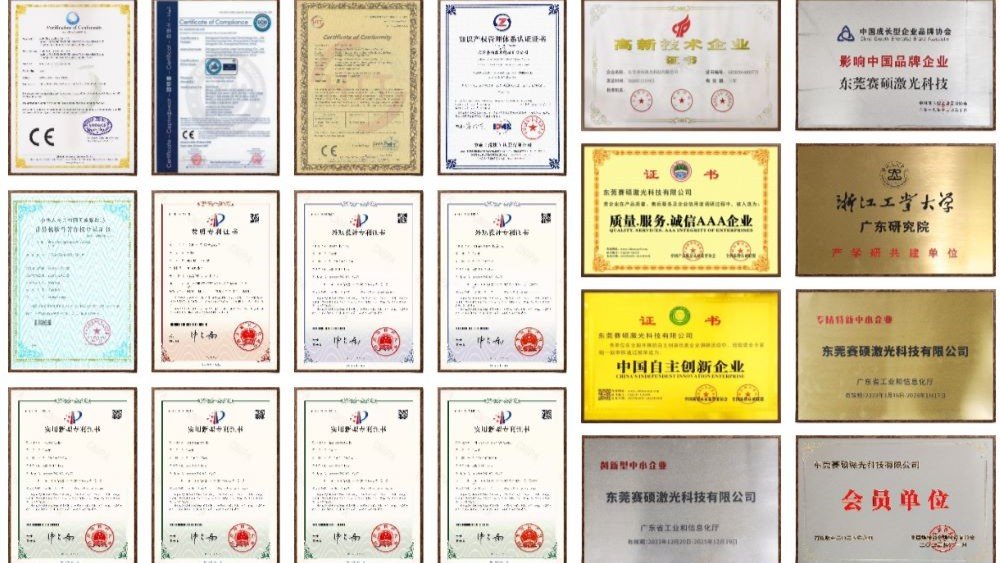
We have passed ISO 9001, CE, RoHS, SGS and other certifications, and meet the mainstream standards of Europe, America, the Middle East and Asia.
What is the technical background of your team?
10-person R&D team (5 senior engineers) + 50-person production team, with an average of 8 years of experience and 100% certification rate.
Can I have my custom logo , design or size?
Sure. We support OEM and ODM services, allowing for the customization of appearance, power, dimensions, and your logo according to your requirements.You can view the OEM&ODM service page. https://sunriselasertech.com/oem-odm/
 English