
The lithium battery industry is developing rapidly as electric vehicles, energy storage systems, portable electronics, power tools, robotics, and other electrification applications continue to expand. As battery manufacturers face increasingly demanding requirements for safety, reliability, dimensional accuracy, production efficiency, and manufacturing consistency, advanced manufacturing technologies are becoming increasingly important. Laser equipment can significantly help improve manufacturing processes in the lithium-ion battery industry.
Lithium battery laser processing is one of the key technologies used in modern battery manufacturing.
From battery structural components and housings to frames, cooling structures, fixtures, pipes, brackets, and other metal components, laser equipment can provide precise and repeatable processing solutions.
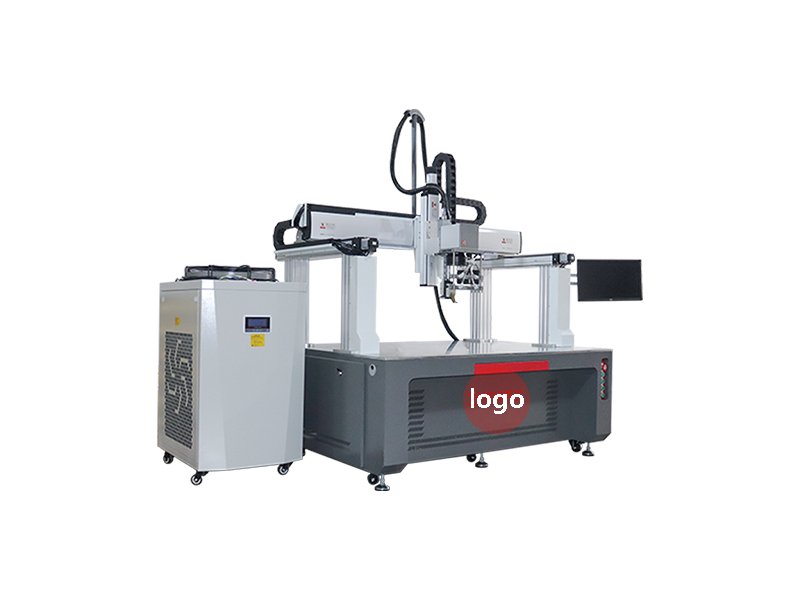
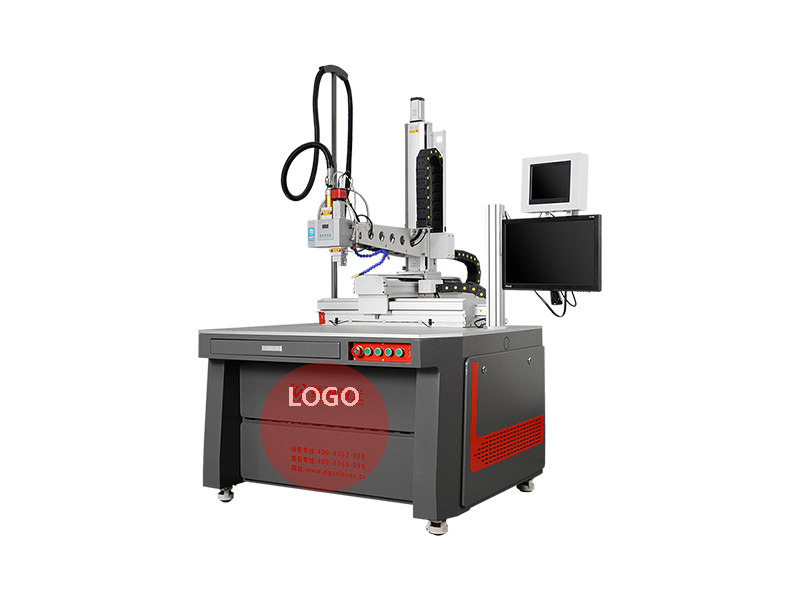
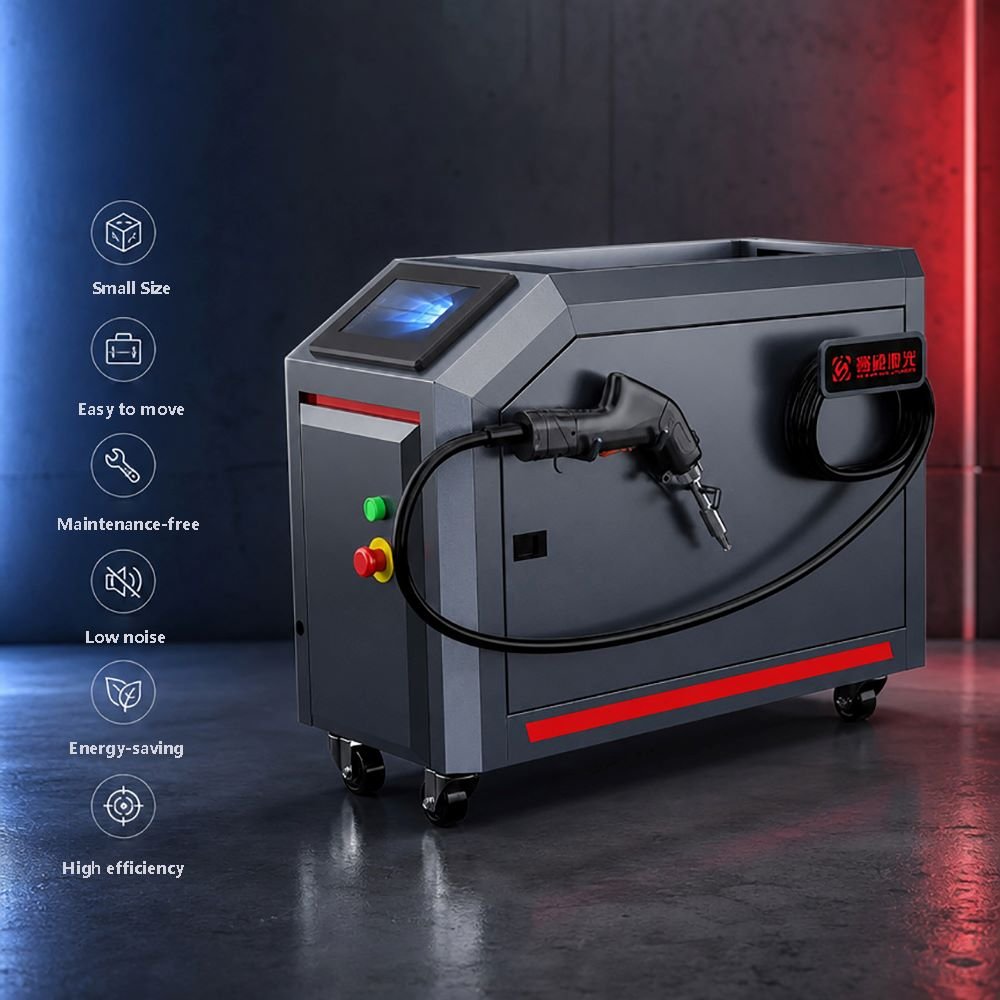
A handheld laser welding machine can provide flexible welding for battery-related metal components and customized production. An automatic laser welding machine can support high-volume, repeatable manufacturing. A laser tube cutting machine can accurately process tubes and profiles used in battery production equipment and supporting structures. A laser rust removal machine can provide a non-contact cleaning method for suitable surface preparation applications.
However, lithium battery manufacturing is a highly specialized field. Different battery technologies—including cylindrical, prismatic, and pouch cells—have different manufacturing requirements. Laser parameters must therefore be selected according to the specific material, thickness, joint structure, process requirements, and battery application.
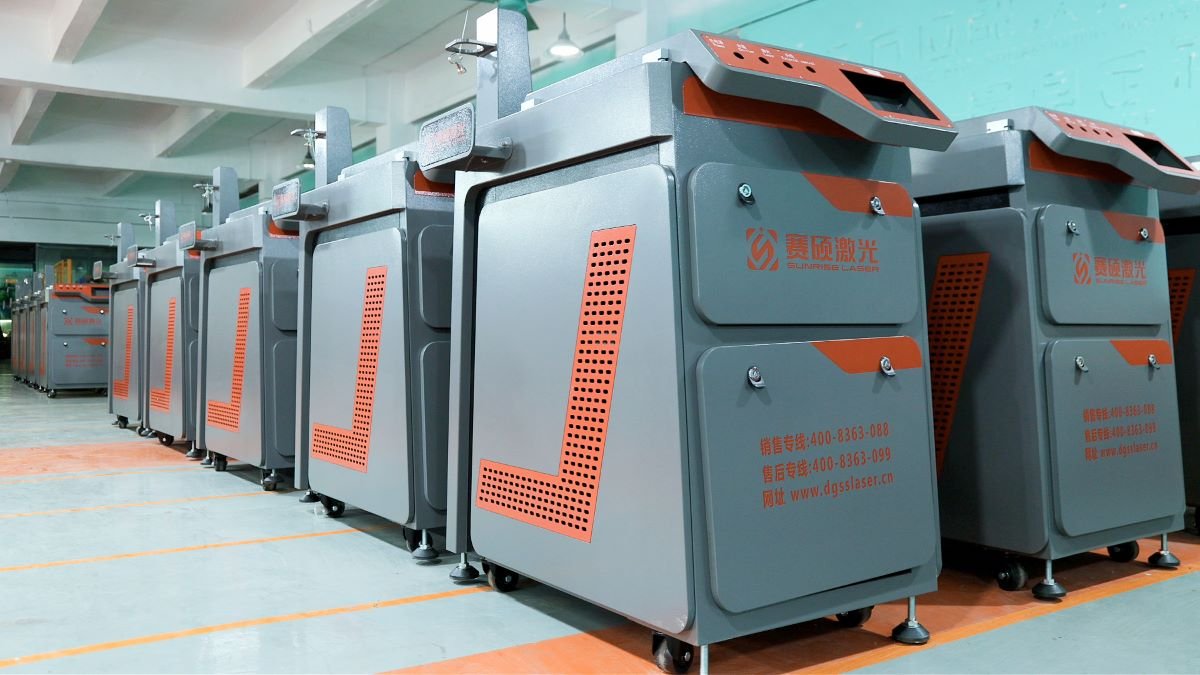
Sunrise Laser is a comprehensive laser equipment group integrating R&D, design, manufacturing, sales, export, and laser processing solutions. Our product portfolio includes handheld laser welding machines, automatic laser welding machines, laser tube cutting machines, laser rust removal machines, and other industrial laser machines.
Our laser equipments are widely applied across industries including lithium batteries, sheet metal fabrication, doors and windows, medical equipment, kitchenware and furniture, LED lighting, and other manufacturing sectors.
Sunrise Laser has accumulated more than 100 laser equipment patents and has served more than 10,000 customers across over 50 countries and regions.
In this article, we explain how laser equipment can be applied to lithium battery manufacturing and related battery production processes, and how laser technology can help manufacturers improve welding quality, dimensional accuracy, process consistency, production efficiency, and automation.
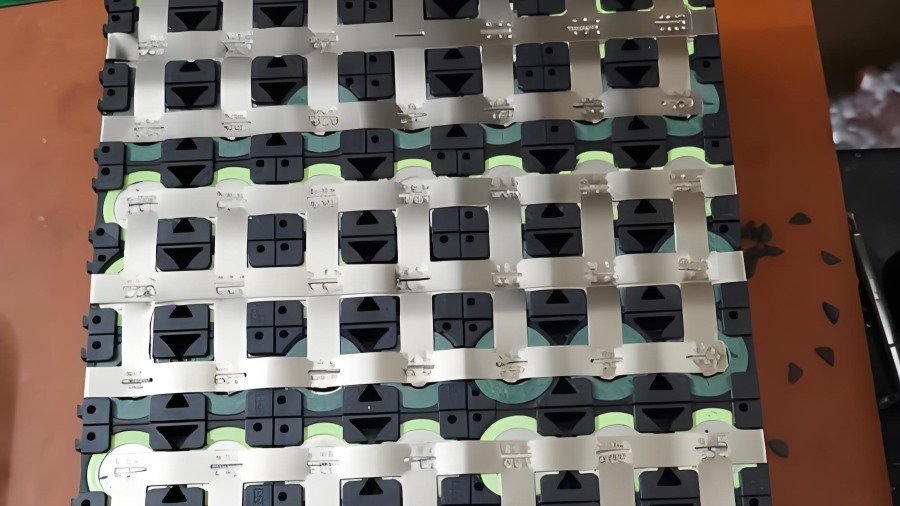
Why Laser Equipment Is Important in Lithium Battery Manufacturing
Lithium battery manufacturing involves numerous precision processes.
A simplified battery manufacturing chain may include:
Material Preparation → Electrode Manufacturing → Cell Assembly → Welding → Sealing → Testing → Module/Pack Assembly → Final Inspection
Different battery types require different production methods.
For example:
- Cylindrical batteries use cylindrical metal cans and caps.
- Prismatic batteries use rigid metal housings.
- Pouch batteries use flexible laminated packaging.
- Battery modules contain multiple cells and structural components.
- Battery packs integrate cells, modules, busbars, cooling systems, structural frames, and electrical components.
Many of these components require accurate metal processing.
Manufacturing challenges may include:
- Tight dimensional tolerances
- Thin metal materials
- Heat-sensitive components
- Precise welding
- Low deformation requirements
- High production volumes
- Consistent process parameters
- Strict quality control
Laser technology is attractive because it provides a concentrated, controllable, and digitally programmable energy source.
When properly configured, laser processing can support high-precision manufacturing while reducing unnecessary thermal influence and manual processing.
Laser Welding in the Lithium Battery Industry
Laser welding is one of the most important applications of laser technology in battery-related manufacturing.
Battery production may require welding of:
- Battery housings
- Covers
- Structural components
- Cooling components
- Metal brackets
- Busbar-related components
- Battery pack structures
- Module frames
- Battery trays
- Pipes and connectors
- Manufacturing fixtures
The exact welding process depends heavily on the battery design and material.
Common battery-related metals may include:
- Aluminum
- Copper
- Stainless steel
- Carbon steel
- Nickel-based materials
- Other metal alloys
Each material has different laser absorption and thermal characteristics.
Therefore, a professional laser equipment manufacturer should evaluate the actual workpiece before recommending a specific laser welding system.
Handheld Laser Welding Machine for Battery-Related Manufacturing
A handheld laser welding machine is primarily valuable for flexible manufacturing rather than highly automated cell production.
In the lithium battery industry, handheld laser welding can be suitable for applications involving:
- Battery pack structures
- Battery trays
- Metal frames
- Cooling system components
- Battery equipment components
- Fixtures
- Brackets
- Repair or maintenance applications
- Prototypes
- Customized battery structures
For battery manufacturers and battery equipment companies producing multiple designs, flexibility can be extremely important.
A handheld system allows operators to move the welding head around the workpiece and handle different welding positions.
This can be particularly useful during:
- Product development
- Prototype production
- Small-batch manufacturing
- Customized battery pack production
- Equipment fabrication
How Handheld Laser Welding Can Improve Battery Manufacturing
Cleaner Weld Appearance
Battery-related metal structures often require clean and controlled welds.
A poor weld can negatively affect:
- Appearance
- Structural strength
- Sealing
- Assembly
- Subsequent processing
For suitable materials and joint structures, laser welding can produce a relatively narrow and precise weld seam.
This can reduce the need for extensive post-welding finishing in appropriate applications.
Reduced Thermal Deformation
Many battery components are relatively thin.
Excessive welding heat can cause:
- Warping
- Distortion
- Misalignment
- Dimensional changes
Laser welding concentrates energy into a relatively small area.
With correct parameter optimization, this can help control thermal deformation.
This is particularly important for precision battery housings and structural components.
Automatic Laser Welding Machine for Lithium Battery Production
For high-volume battery production, automation is critical.
An automatic laser welding machine can provide a much higher level of process repeatability than manual welding.
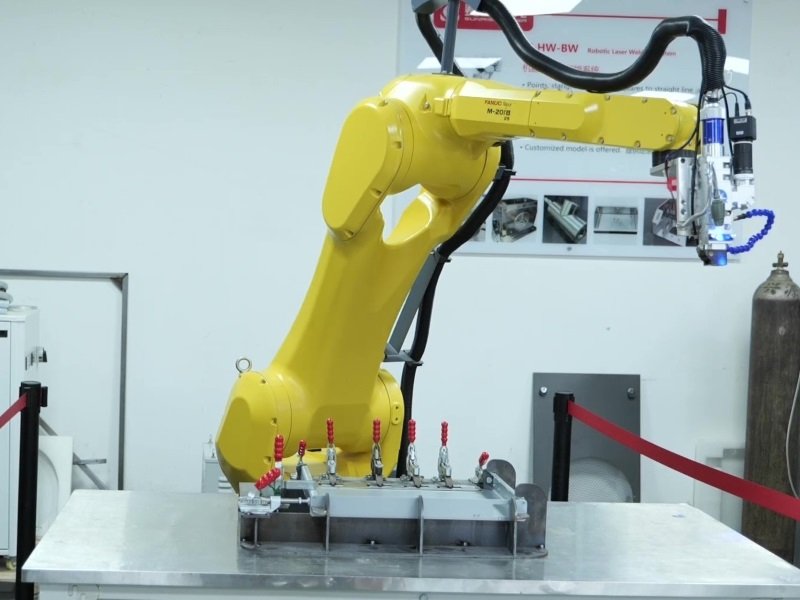
Automated systems can integrate:
- Precision fixtures
- CNC motion
- Robotic arms
- Automatic positioning
- Vision systems
- Programmable welding paths
- Automatic feeding
- Process monitoring
For suitable battery-related components, the machine can repeatedly execute the same welding process.
This can help manufacturers maintain consistent:
- Welding position
- Welding speed
- Laser power
- Welding path
- Heat input
- Product dimensions
Why Automation Matters for Lithium Battery Manufacturers
Lithium battery production is generally highly sensitive to process variation.
Even relatively small inconsistencies can affect downstream assembly and quality control.
An automatic laser welding machine can help standardize repetitive processes.
Key advantages include:
1. High Repeatability
Programmed welding paths can be repeated with consistent motion.
2. Improved Production Efficiency
Automated welding reduces repetitive manual operations.
3. Process Standardization
Validated welding parameters can be stored and reused.
4. Reduced Operator Dependency
The process becomes less dependent on manual welding movement.
5. Easier Integration
Automatic laser welding systems can potentially integrate with production lines, robotic systems, feeding mechanisms, inspection systems, and other automation equipment.
Laser Welding of Battery Housings
Battery housings are important structural components.
Depending on battery design, housings may be made from:
- Aluminum
- Stainless steel
- Other metal alloys
The housing may require welding of:
- Covers
- Side structures
- Reinforcement sections
- Mounting structures
- Cooling components
The welding process needs to balance:
Weld Strength + Dimensional Accuracy + Heat Control + Production Efficiency
Laser welding can be advantageous for suitable housing applications because it provides a concentrated heat source.
The actual process must be carefully validated according to the material, thickness, joint design, sealing requirements, and quality standards.
Laser Welding for Battery Pack Structures
Battery packs used in electric vehicles and energy storage systems often contain substantial metal structures.
These may include:
- Battery trays
- Frames
- Covers
- Brackets
- Cooling system components
- Structural supports
A laser machine can be used for suitable welding applications involving these metal structures.
For example, battery trays may contain multiple welded joints.
Traditional welding can introduce significant heat and potentially cause distortion.
Laser welding can provide concentrated energy and programmable movement.
For suitable structures, this can help manufacturers improve dimensional stability and welding efficiency.
Laser Welding for Battery Cooling Components
Thermal management is important for many battery systems.
Battery packs may use:
- Cooling plates
- Cooling channels
- Tubes
- Metal manifolds
- Brackets
- Heat transfer structures
These components may require precise welding.
A laser welding machine can provide a concentrated heat source suitable for certain cooling-component applications.
The welding process should be designed around:
- Material
- Thickness
- Joint geometry
- Sealing requirements
- Thermal requirements
- Production volume
For sealed cooling structures, weld integrity and leak testing are particularly important.
Laser Tube Cutting Machine for Lithium Battery Manufacturing
The lithium battery industry does not only manufacture battery cells.
Factories also need to produce:
- Battery pack frames
- Cooling tubes
- Structural tubes
- Equipment frames
- Conveyor structures
- Robot supports
- Protective frames
- Charging equipment structures
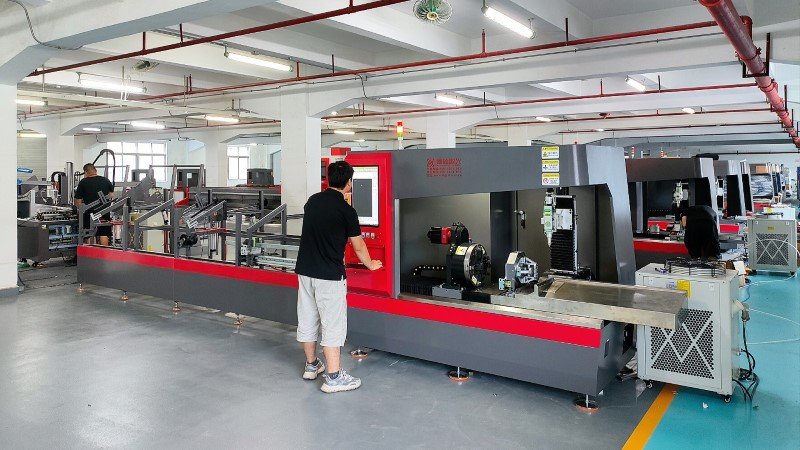
A laser tube cutting machine can provide accurate processing for suitable metal tubes and profiles.
Depending on configuration, it can perform:
- Tube cutting
- Hole cutting
- Slotting
- Notching
- End cutting
- Contour processing
This can improve the preparation of components used in battery production and battery pack assembly.
Laser Tube Cutting for Battery Pack Frames
Battery packs require structural support.
Frames may use:
- Aluminum profiles
- Stainless steel tubes
- Carbon steel tubes
- Other metal profiles
A laser tube cutting machine can produce accurate components with CNC-controlled dimensions.
This helps manufacturers improve:
- Frame assembly
- Component alignment
- Dimensional consistency
- Production efficiency
It can also reduce manual drilling and measurement operations for suitable products.
Laser Tube Cutting for Battery Cooling Systems
Some battery systems use metal pipes or tubes as part of their cooling structure.
These tubes may require:
- Precise lengths
- Holes
- Slots
- Notches
- Complex end shapes
A laser tube cutting machine can integrate several processing operations depending on its configuration.
This can reduce the need to transfer the tube between different machines.
The result is a more streamlined manufacturing process.
Laser Tube Cutting for Lithium Battery Production Equipment
Battery manufacturers also need production equipment.
Production equipment may include:
- Machine frames
- Conveyor structures
- Protective guards
- Robot frames
- Workstations
- Storage systems
- Material handling equipment
These structures often contain metal tubes and profiles.
A laser tube cutting machine can efficiently process these structural components.
This means laser tube cutting technology can contribute to both:
Battery Product Manufacturing
and
Battery Equipment Manufacturing
Laser Rust Removal Machine in the Lithium Battery Industry
Surface preparation is another important application.
Metal components used in battery manufacturing may require cleaning before:
- Welding
- Coating
- Assembly
- Surface treatment
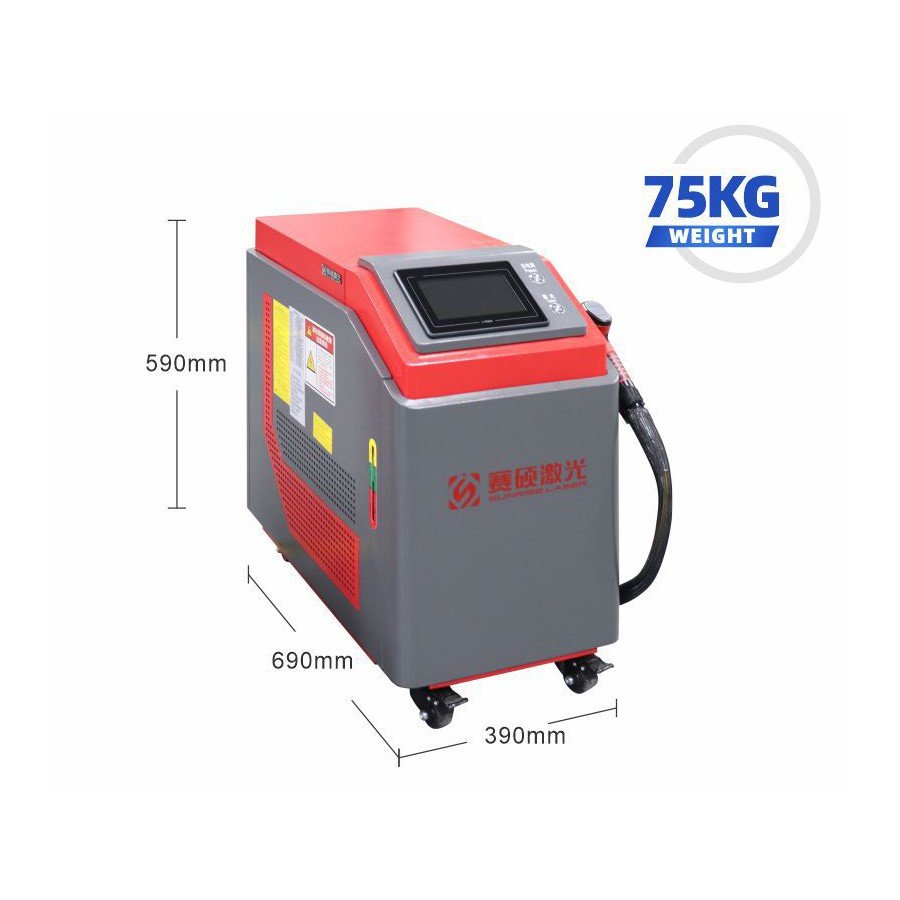
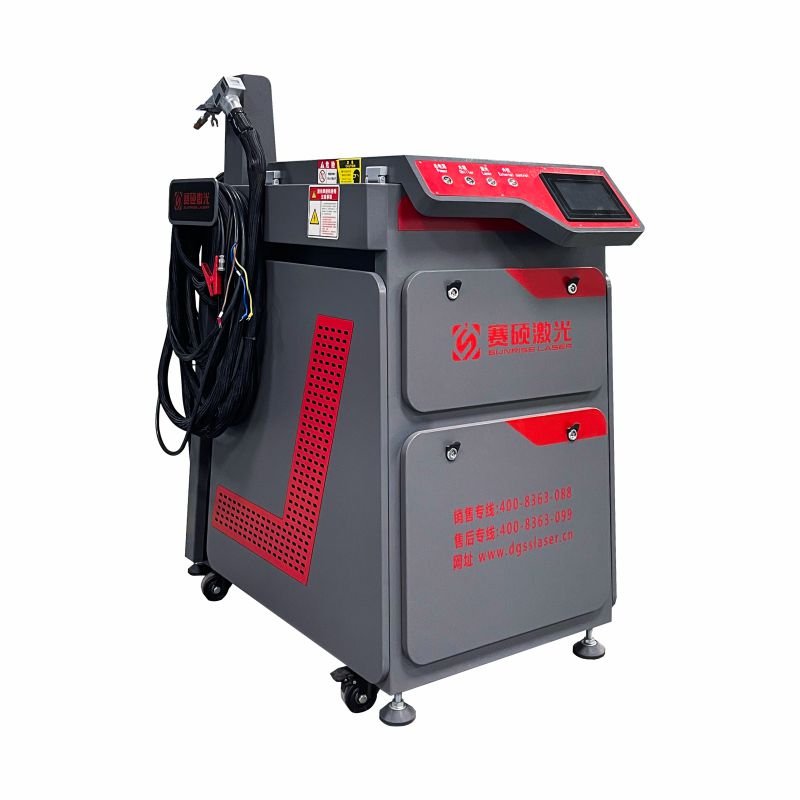
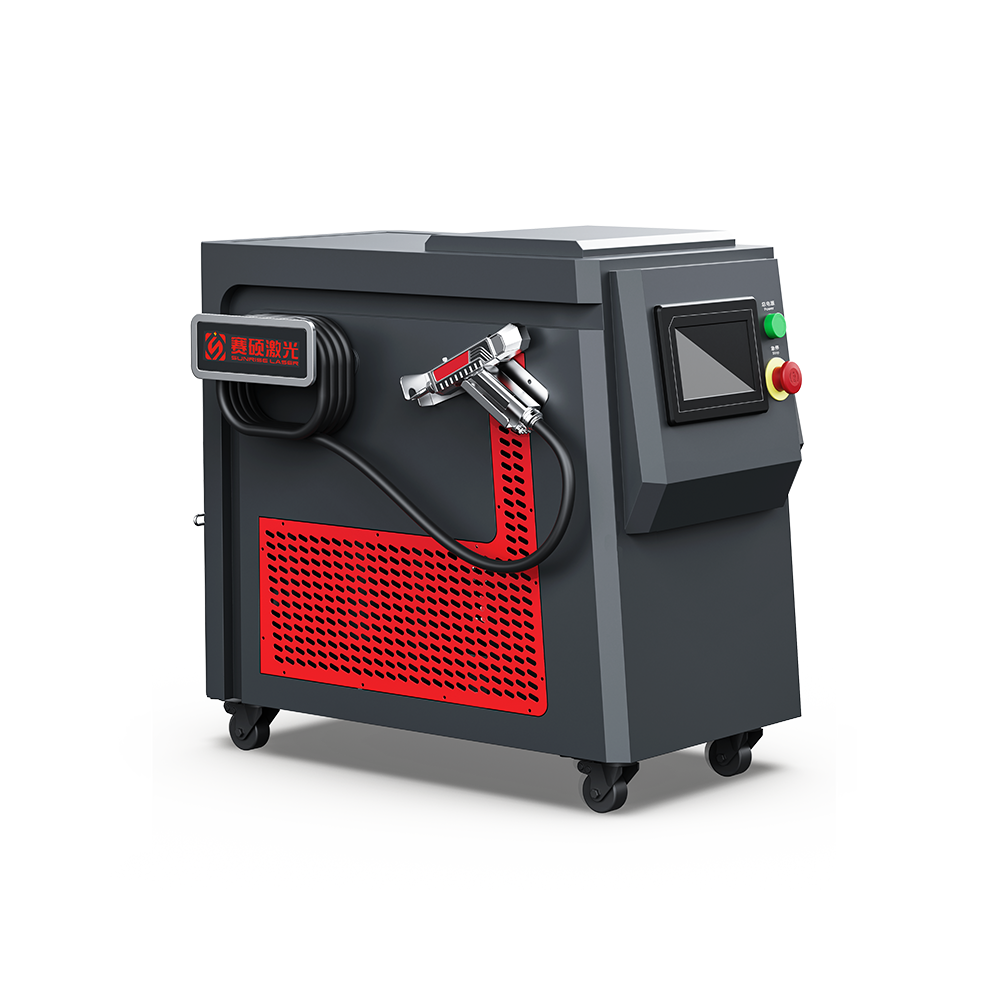
A laser rust removal machine can provide a non-contact cleaning method for suitable applications.
Potential applications include:
- Rust removal
- Oxide removal
- Oil removal
- Grease removal
- Welding-area cleaning
- Surface preparation
Laser cleaning can selectively remove certain contaminants from a metal surface using controlled laser energy.
Why Surface Cleaning Matters for Battery Manufacturing
Contamination can affect subsequent processes.
Before welding, surface contaminants can interfere with process stability.
Before coating, contamination can affect adhesion.
Before assembly, unwanted particles or residues may affect component cleanliness.
A suitable laser cleaning process can help manufacturers create a more standardized surface preparation workflow.
However, battery manufacturing often has strict cleanliness requirements, so the cleaning process should be validated carefully.
The suitability of laser cleaning depends on:
- Material
- Contaminant
- Surface finish
- Required cleanliness
- Laser wavelength
- Laser power
- Processing speed
Laser Equipment for Cylindrical Battery Manufacturing
Cylindrical batteries are commonly manufactured using cylindrical metal containers and covers.
Depending on the production process, laser technology can support suitable applications involving:
- Metal components
- Battery structural parts
- Welding fixtures
- Battery pack structures
- Production equipment
Automated laser welding is particularly valuable where repetitive and highly controlled welding operations are required.
For highly specialized cell-level welding, the laser system should be selected specifically according to the battery chemistry, cell format, electrode material, joint design, and manufacturing process.
Laser Equipment for Prismatic Battery Manufacturing
Prismatic batteries generally use rigid metal housings.
Their larger structural components may involve welding operations around:
- Housing structures
- Covers
- Reinforcement components
- Cooling components
- External structural parts
Laser welding can provide a concentrated heat source for suitable metal welding applications.
An automatic laser welding machine can improve repeatability when the same housing design is manufactured in high volume.
Laser Equipment for Pouch Battery Manufacturing
Pouch batteries use flexible laminated packaging rather than traditional rigid metal cans.
Therefore, not every laser welding application is directly applicable to the pouch cell itself.
However, laser equipment can still be used in related manufacturing applications, including:
- Metal structural components
- Battery module structures
- Pack frames
- Fixtures
- Cooling components
- Battery production equipment
This distinction is important when selecting a laser machine for lithium battery manufacturing.
A professional laser equipment manufacturer should identify the exact processing requirement rather than assuming that one laser system is suitable for every battery format.
Case Study 1: Battery Pack Frame Manufacturer
A battery pack manufacturer was producing aluminum structural frames.
The existing process involved conventional welding.
The customer experienced:
- Thermal deformation
- Long welding cycles
- Significant manual finishing
- Inconsistent weld appearance
The customer wanted to improve the welding process without sacrificing structural reliability.
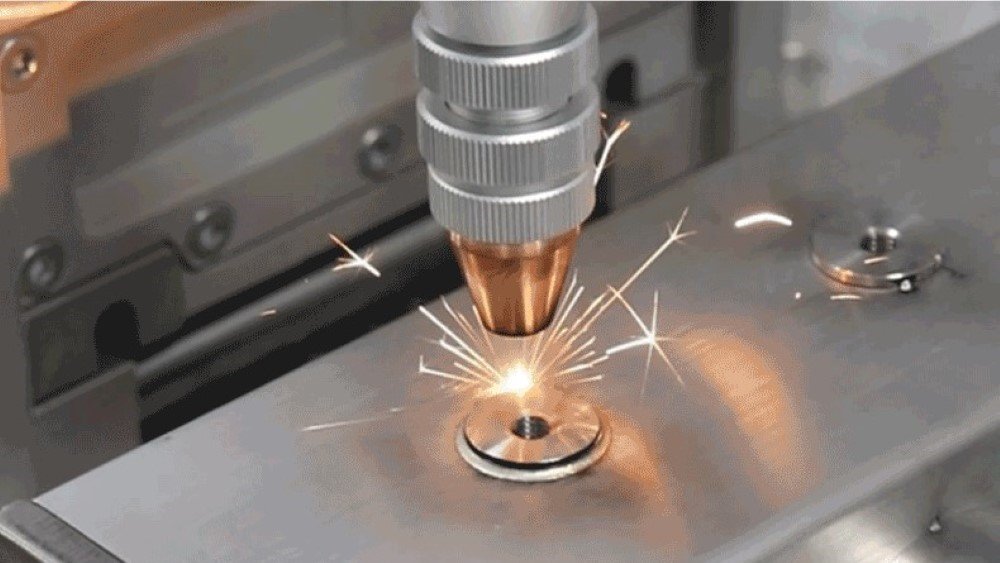
Sunrise Laser engineers evaluated the aluminum alloy, material thickness, joint structure, and production requirements.
For suitable applications, the customer introduced an automatic laser welding machine.
After application testing and parameter optimization, the customer achieved:
- More consistent weld paths
- Better dimensional repeatability
- Reduced thermal deformation
- Improved production efficiency
- Reduced manual welding operations
The automated system also provided a foundation for future production-line integration.
Case Study 2: Battery Equipment Manufacturer
A battery equipment manufacturer was producing machine frames and protective structures using metal tubes and profiles.
The traditional process required separate cutting, drilling, and notching operations.
This resulted in:
- Multiple machine transfers
- Repeated manual measurement
- Long processing cycles
- Assembly inconsistencies
Sunrise Laser recommended a laser tube cutting machine according to the customer’s tube specifications.
The machine integrated suitable cutting and hole-processing operations.
The manufacturer improved:
- Tube processing accuracy
- Production efficiency
- Component consistency
- Assembly preparation
- Digital production flexibility
This demonstrates that laser tube cutting can benefit not only battery products but also the equipment used to manufacture them.
Case Study 3: Customized Battery Pack Manufacturer
A battery pack manufacturer produced customized battery systems for different applications.
Because product dimensions changed frequently, the factory needed flexible welding equipment.
A highly automated fixed welding line would have required extensive changes between different product models.
The manufacturer selected a handheld laser welding machine for suitable structural welding applications.
The handheld system allowed operators to adapt to different:
- Battery pack sizes
- Welding positions
- Frame structures
- Bracket designs
The customer improved production flexibility while maintaining a more consistent laser welding process.
This type of solution is particularly suitable for customized and small-batch battery pack manufacturing.
Case Study 4: Surface Preparation for Battery Equipment Components
A battery equipment manufacturer needed to clean selected metal components before welding and coating.
Traditional abrasive cleaning required considerable manual labor.
The company introduced a laser rust removal machine for suitable cleaning applications.
The laser cleaning process helped remove selected surface contaminants and oxidation without the same abrasive contact associated with conventional mechanical cleaning.
The manufacturer was able to establish a more controlled surface preparation process.
How Laser Equipment Helps Improve Lithium Battery Product Quality
Quality is one of the most important considerations in battery manufacturing.
Laser technology can contribute to quality through several mechanisms.
Precise Welding
Laser welding can provide controlled energy delivery and precise welding paths.
Reduced Deformation
A concentrated heat source can help control thermal effects when properly optimized.
Consistent Production
Automatic laser welding can repeat validated welding programs.
Accurate Component Processing
Laser tube cutting can provide repeatable dimensions for suitable metal tubes and profiles.
Controlled Surface Preparation
Laser cleaning can provide a non-contact option for selected cleaning applications.
Together, these technologies can help battery-related manufacturers improve process consistency.
How Laser Machines Improve Lithium Battery Production Efficiency
Production efficiency is not simply about increasing welding speed.
It also involves reducing unnecessary steps.
Laser technology can help manufacturers achieve this by:
Reducing Manual Operations
Automated laser welding can reduce repetitive manual welding.
Reducing Secondary Processing
Cleaner welds may reduce grinding and finishing for suitable applications.
Combining Tube Processing Operations
Laser tube cutting can integrate cutting and other suitable operations.
Reducing Material Handling
Multiple processing steps can potentially be performed within one production workflow.
Improving Changeover Efficiency
Digital CNC programs can make product changes more flexible.
Supporting Automation
Laser machines can integrate with robots, automatic feeding, fixtures, vision systems, and inspection systems.
Handheld Laser Welding Machine vs. Automatic Laser Welding Machine for Battery Applications
The appropriate welding system depends on the manufacturing scenario.
| Requirement | Handheld Laser Welding Machine | Automatic Laser Welding Machine |
|---|---|---|
| Customized battery packs | Excellent | Suitable with flexible automation |
| Prototype production | Excellent | Usually less flexible |
| Small-batch production | Excellent | Suitable |
| Mass production | Suitable for appropriate structural applications | Excellent |
| Multiple product models | Very flexible | Depends on system design |
| Repetitive welding | Good | Excellent |
| Automation | Low–medium | Medium–high |
| Process repeatability | High with trained operation | Very high |
| Changeover flexibility | Very high | Depends on automation |
For customized battery pack structures, a handheld laser welding machine can be a practical option.
For standardized battery components and high-volume structural production, an automatic laser welding machine may provide greater productivity and repeatability.
For specialized cell-level manufacturing, dedicated automated laser welding systems should be selected according to the specific battery process.
How to Choose a Laser Machine for Lithium Battery Manufacturing
Choosing a laser machine for battery manufacturing requires detailed technical evaluation.
1. Identify the Battery Type
Determine whether the application involves:
- Cylindrical batteries
- Prismatic batteries
- Pouch batteries
- Battery modules
- Battery packs
- Battery production equipment
2. Identify the Material
Typical metals may include:
- Aluminum
- Copper
- Stainless steel
- Carbon steel
- Nickel-based materials
3. Determine Material Thickness
Thickness strongly influences required laser power and process parameters.
4. Define the Welding Joint
Consider:
- Butt joints
- Lap joints
- Corner joints
- Tube joints
- Structural joints
5. Define Production Volume
Small-batch customized production and high-volume mass production require different equipment strategies.
6. Determine Automation Requirements
Evaluate whether you need:
- Manual operation
- Semi-automatic production
- Robotic welding
- Automatic feeding
- Vision inspection
- Fully integrated production lines
7. Perform Application Testing
Before purchasing a laser machine, manufacturers should conduct application testing using actual materials and representative workpieces.
This is especially important for lithium battery-related applications.
Why Choose Sunrise Laser as Your Laser Equipment Manufacturer?
Sunrise Laser is a comprehensive laser equipment manufacturer integrating:
R&D + Design + Manufacturing + Sales + Export + Application Solutions
Our main laser equipment categories include:
- Handheld Laser Welding Machine
- Automatic Laser Welding Machine
- Laser Tube Cutting Machine
- Laser Rust Removal Machine
- Industrial Laser Machines
- Customized Laser Equipment
Sunrise Laser has accumulated more than 100 laser equipment patents.
We have served more than 10,000 customers across over 50 countries and regions.
Our laser machines are used across industries including:
- Lithium batteries
- LED lighting
- Sheet metal
- Doors and windows
- Medical equipment
- Kitchenware
- Furniture
- Hardware
- Metal fabrication
Our engineering team focuses on matching the laser solution to the actual manufacturing requirement.
For battery-related applications, we can evaluate:
- Material
- Thickness
- Component dimensions
- Welding structure
- Production volume
- Automation requirements
- Processing speed
- Surface preparation requirements
This approach allows manufacturers to select equipment based on actual process requirements rather than simply purchasing a standard laser machine.
Why Application Testing Is Essential for Battery Laser Welding
Lithium battery manufacturing is a precision industry.
It is therefore not recommended to choose a laser welding machine based only on:
- Laser power
- Machine price
- Welding speed
- Product appearance
A proper application evaluation should consider:
Material + Thickness + Joint + Laser Source + Beam Configuration + Shielding Gas + Welding Speed + Fixture + Process Monitoring
For critical applications, manufacturers should also establish appropriate inspection and testing procedures.
Depending on the application, these may include:
- Visual inspection
- Dimensional inspection
- Weld strength testing
- Leak testing
- Metallographic analysis
- Electrical testing
- Destructive testing
- Non-destructive testing
The exact quality-control method depends on the battery component and applicable industry requirements.

The Future of Laser Equipment in Lithium Battery Manufacturing
The lithium battery industry is moving toward:
Higher Energy Density + Higher Production Volume + Greater Automation + Better Traceability
Laser technology fits naturally into this development.
Future battery manufacturing systems are likely to increasingly combine:
- Laser welding
- Laser cutting
- Laser cleaning
- Robotics
- Machine vision
- Automatic material handling
- Process monitoring
- Digital production management
- Automated quality inspection
This means the role of laser equipment is expanding.
It is no longer simply a welding or cutting machine.
It can become an important part of a digitally connected battery manufacturing system.
Laser Equipment and Intelligent Battery Manufacturing
An advanced production line may integrate:
Automatic Material Feeding
↓
Precision Laser Processing
↓
Automatic Positioning
↓
Laser Welding
↓
Vision Inspection
↓
Quality Data Recording
↓
Automated Assembly
Such integration can help manufacturers improve:
- Process traceability
- Production consistency
- Labor efficiency
- Quality control
- Production capacity
An automatic laser welding machine can therefore become one component of a larger intelligent manufacturing ecosystem.
laser equipment can help manufacturers
Laser technology has become an important manufacturing technology for many metal-processing applications associated with the lithium battery industry.
A handheld laser welding machine provides flexibility for customized battery packs, structural components, prototypes, fixtures, and other suitable applications.
An automatic laser welding machine provides high repeatability and production efficiency for standardized, high-volume manufacturing processes.
A laser tube cutting machine can accurately process tubes and profiles used in battery pack frames, cooling structures, production equipment, protective structures, and other metal components.
A laser rust removal machine can provide a non-contact cleaning option for suitable rust, oxide, oil, grease, and surface-contamination removal applications.
When properly selected and integrated, these laser machines and laser equipments can help manufacturers improve:
- Welding quality
- Dimensional accuracy
- Production consistency
- Thermal control
- Production efficiency
- Automation
- Manufacturing flexibility
However, lithium battery manufacturing is a highly specialized field. The correct laser solution must be selected according to the actual battery type, material, thickness, joint structure, production volume, quality requirements, and automation level.
Sunrise Laser is a comprehensive laser welding machine manufacturer and laser equipment manufacturer integrating R&D, design, manufacturing, sales, export, and application solutions.
With more than 100 laser equipment patents, over 10,000 customers, and customers in 50+ countries and regions, Sunrise Laser provides industrial laser solutions for manufacturers worldwide.
For lithium battery manufacturers and battery equipment companies seeking to improve metal processing, welding efficiency, production consistency, and automation, Sunrise Laser provides handheld laser welding machines, automatic laser welding machines, laser tube cutting machines, laser rust removal machines, and customized laser equipment solutions.
The future of lithium battery manufacturing requires not only higher production speed, but also greater precision, consistency, process control, and automation. Properly engineered laser technology can play an important role in achieving these manufacturing goals.
Frequently Asked Questions About Laser Equipment for the Lithium Battery Industry
What laser equipment is used in lithium battery manufacturing?
Common laser equipment includes handheld laser welding machines, automatic laser welding machines, laser tube cutting machines, and laser rust removal machines. The appropriate equipment depends on whether the application involves battery cells, modules, packs, structural components, or battery production equipment.
Can a handheld laser welding machine be used for lithium battery production?
A handheld laser welding machine can be suitable for certain battery-related structural applications, battery pack components, fixtures, prototypes, and customized production. Specialized cell-level welding applications generally require dedicated automated systems based on the specific battery design and process.
What is an automatic laser welding machine used for in battery manufacturing?
An automatic laser welding machine can perform repetitive welding operations with programmed motion and controlled process parameters. It is particularly valuable for high-volume manufacturing where repeatability and process consistency are important.
Can laser tube cutting machines be used in the lithium battery industry?
Yes. Laser tube cutting machines can process suitable metal tubes and profiles used in battery pack frames, cooling systems, equipment frames, protective structures, and other battery-related components.
Can laser welding reduce deformation in battery components?
For suitable materials and joint designs, the concentrated heat input of laser welding can help control thermal deformation compared with some conventional welding methods. Actual performance depends on material, thickness, joint design, laser parameters, and fixture design.
What metals can be laser welded for battery applications?
Depending on the specific laser system, suitable applications may involve aluminum, copper, stainless steel, carbon steel, nickel-based materials, and other metals. Each material requires appropriate process development and parameter optimization.
What is a laser rust removal machine used for in battery manufacturing?
A laser rust removal machine can be used for suitable surface-cleaning applications involving rust, oxide layers, oil, grease, and other contaminants on metal components. Its suitability must be evaluated according to battery manufacturing cleanliness requirements.
How can laser equipment improve lithium battery production efficiency?
Laser equipment can reduce manual operations, improve processing speed, integrate multiple processing steps, reduce secondary finishing, improve repeatability, and support automation.
Why is application testing important before buying a battery laser machine?
Lithium battery applications involve different materials, thicknesses, joint designs, and quality requirements. Testing actual workpieces helps determine whether the laser power, optical configuration, welding parameters, fixtures, and process controls are appropriate.
Why choose Sunrise Laser as a laser equipment manufacturer?
Sunrise Laser integrates R&D, design, manufacturing, sales, and global export. With 100+ laser equipment patents and experience serving 10,000+ customers in 50+ countries and regions, Sunrise Laser provides handheld laser welding machines, automatic laser welding machines, laser tube cutting machines, laser rust removal machines, and customized industrial laser solutions.
We have a leading laser welding machine factory of skilled engineers ready to support you in your product development journey from idea design to production.Any ideas about your product you can contact us freely,and our engineers will get back to you with a quote asap. WhatsApp: +86 198 5408 2298
Who is Sunrise laser?
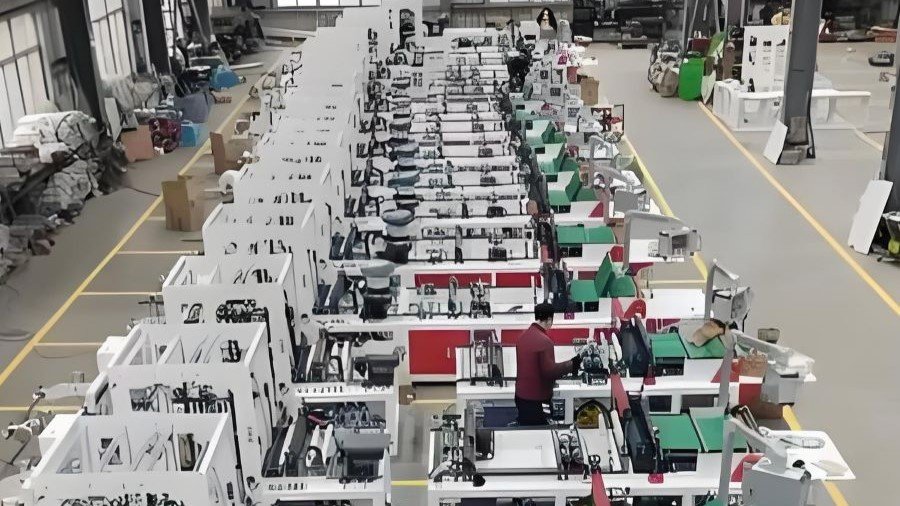
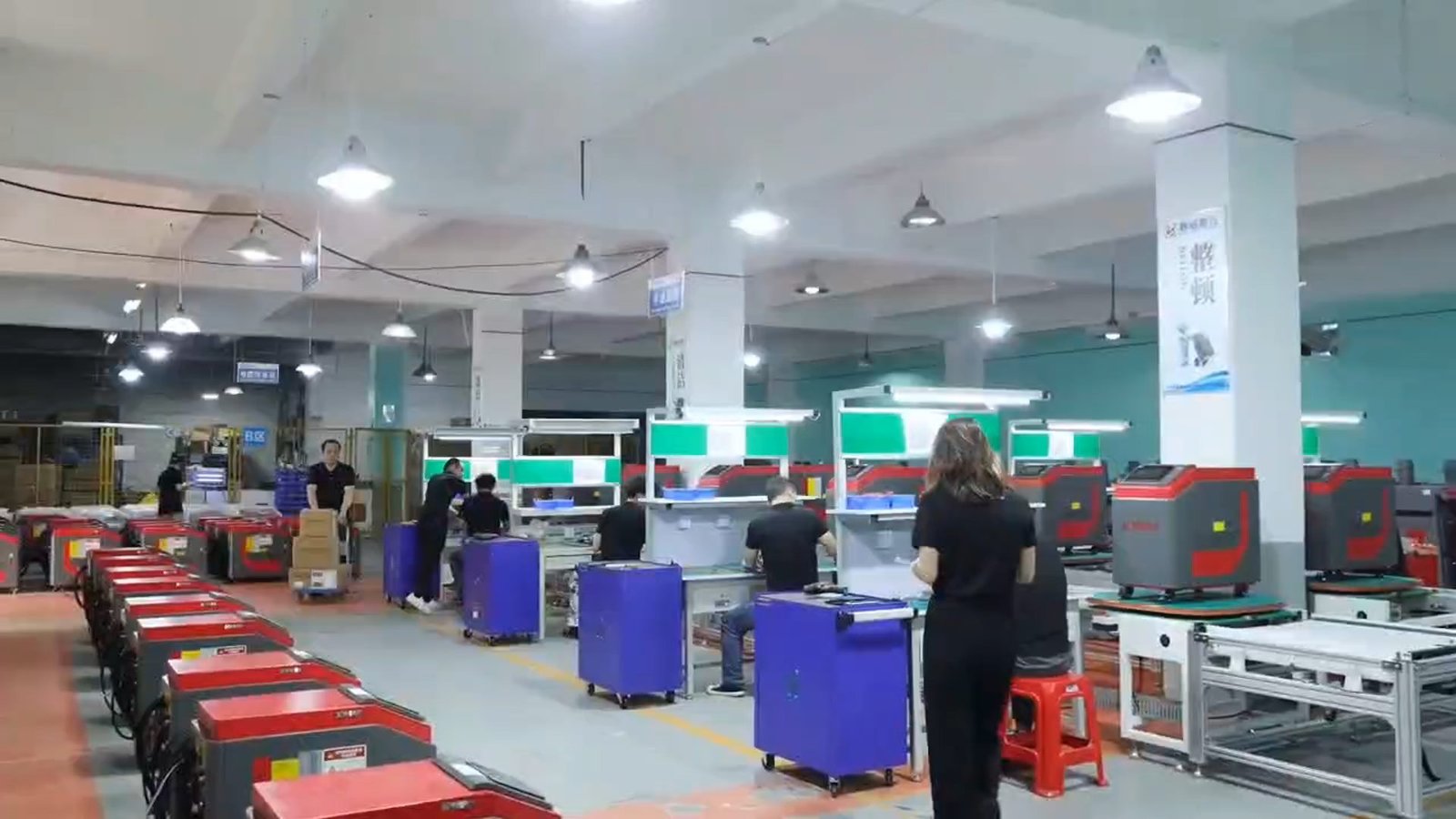
Dongguan Sunrise Laser Technology Co, Ltd. was established in 2016 with a registered capital of CNY 20.210,000 and a modern productionase of 11,000+㎡. It is a professional manufacturer dedicated to the research and development, production, and sales of high-end laser welding machine,laser tube cutting machine.
What is your product range?
We pecialize in the design and production of high quality laser machines,such as laser welding machine,laser tube cutting machine, laser rust removal machine…
Do you have any international certifications?
We have passed ISO 9001, CE, RoHS, SGS and other certifications, and meet the mainstream standards of Europe, America, the Middle East and Asia.
What is the technical background of your team?
10-person R&D team (5 senior engineers) + 50-person production team, with an average of 8 years of experience and 100% certification rate.
Can I have my custom logo , design or size?
Sure. We support OEM and ODM services, allowing for the customization of appearance, power, dimensions, and your logo according to your requirements.You can view the OEM&ODM service page. https://sunriselasertech.com/oem-odm/

 English